
In today’s world, the line between work and personal life can feel paper-thin. Many people find themselves checking emails at dinner, answering messages late at night, or spending weekends thinking about deadlines instead of engaging in meaningful downtime. While self-care and productivity tools can help, one of the most effective solutions is surprisingly simple: engaging in sport activities.
Sports introduce structure, movement, community, and enjoyment into a person’s weekly rhythm. They offer physical strength, emotional resilience, and—most importantly—a powerful counterbalance to professional responsibilities. Here’s how different sport activities contribute to a healthier work-life balance and why more adults are looking toward recreation instead of burnout recovery.
1. Sports Create a Scheduled Break From Work
One of the biggest challenges with modern work culture is that it rarely “turns off.” Remote setups, messaging apps, and flexible schedules make it easy for work to bleed into personal time. A regular sport activity acts as a boundary marker—it forces the brain and body to disengage from tasks and focus on something personal.
People who commit to weekly tennis matches, dance classes, or swimming laps often report that these sessions operate as natural “work shutdown rituals.” They help signal that it’s time to transition from productivity mode to personal restoration. Over time, this routine becomes a healthy habit that helps prevent chronic stress and late-night overworking.
2. Physical Movement Counters Sedentary Job Stress
Many office jobs involve prolonged sitting, repetitive tasks, and screen exposure. Sports introduce movement that combats physical stagnation and its side effects such as back pain, stiffness, headaches, and lethargy.
Different activities offer different benefits:
- Running enhances endurance and cardiovascular health
- Swimming supports joint mobility and muscle tone
- Tennis sharpens coordination and explosive movement
- Cycling builds leg strength and stamina
- Yoga & Pilates improve flexibility and core stability
People who incorporate movement into their lifestyle often feel more energized during work hours. This increased physical vitality translates to better focus, more efficient decision-making, and reduced fatigue. Instead of burning out by mid-afternoon, they maintain steadier performance throughout the day.
3. Sports Provide Emotional and Mental Release
Work stress doesn’t just affect the body; it weighs heavily on emotional well-being. Sports act as a form of therapy without feeling clinical. Activities like kickboxing, soccer, dancing, or climbing allow individuals to channel frustration, release emotions, and return to life with a clearer mindset.
For many people, sports also reduce anxiety. They promote the release of endorphins often referred to as “feel-good hormones” that help elevate mood and reduce tension. After a challenging match or peaceful yoga session, work stress tends to feel smaller and more manageable.
4. Social Sports Strengthen Personal Identity Beyond Work
When work becomes the dominant identity—“I am my job”—life loses dimensionality. Sport activities expand a person’s sense of self by offering belonging, skills, and relationships that aren’t tied to their profession.
Group sports are especially effective for this:
- Adult recreational leagues for soccer, basketball, or volleyball
- Running clubs or cycling groups
- Martial arts classes
- Rock-climbing communities
- Dance meetups or studios
These environments help build camaraderie, shared goals, and accountability. Social sports remind adults that connection and fun have value beyond productivity, contributing significantly to mental well-being and life satisfaction.
5. Individual Sports Foster Focus and Self-Mastery
Not everyone enjoys team environments, and that’s equally valid. Individual sports such as golf, bowling, archery, and swimming allow people to work on technique, precision, and mental quietness.
These activities encourage mindfulness and self-reflection, which offsets the noise and overload associated with digital work culture. For some, this quiet mastery becomes a form of meditation with movement.
6. Sports Help Prevent Burnout Before It Starts
Burnout doesn’t happen suddenly; it’s the result of chronic stress without proper relief or recovery. Sports act as a systematic burnout buffer by fulfilling core psychological needs:
- Autonomy (choosing how you spend your time)
- Competence (building skill and confidence)
- Connection (forming relationships outside of work)
- Play (experiencing joy and spontaneity)
When life includes variety, the brain stops treating work as the only source of achievement. This diversity reduces pressure and accelerates emotional recovery.
7. Sports Encourage Discipline Without Overwork
Interestingly, people who participate in sport activities often develop better discipline regarding time management. Because they have commitments after work—like a class, match, or personal training session—they tend to finish tasks more efficiently instead of letting them expand into the evening.
This creates a virtuous cycle:
- Sports create deadlines for leaving work on time.
- Leaving on time supports personal life.
- Personal life satisfaction increases.
- Increased satisfaction improves workplace performance.
In this way, sports don’t conflict with productivity—they enhance it by inserting healthy boundaries.
8. Sports Strengthen the Mind-Body Connection
A major reason people lose work-life balance is that they remain stuck in the cognitive world—planning, analyzing, predicting, and thinking. Sports invite the whole body into the experience. They require coordination, presence, and sensory awareness.
Whether it’s catching a breath between laps or feeling muscles operate during a stretch, these moments pull attention away from screens and towards embodiment. This shift reduces stress fatigue and improves emotional regulation over time.
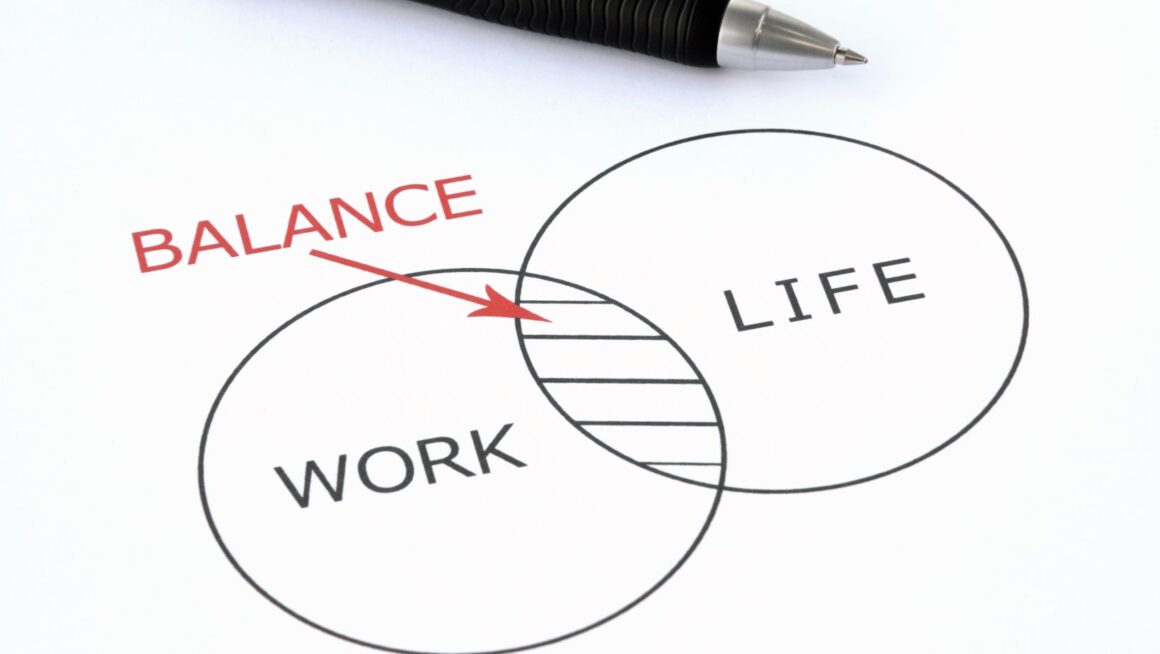
Creating work-life balance isn’t about eliminating work stress—it’s about counterweighting it with meaningful personal experiences. Sports achieve this by offering physical movement, mental reset, social connection, discipline, and joy.
The activity itself matters less than the consistency. A person who plays badminton twice a week will benefit more than someone who purchases expensive equipment and never uses it. Sports are accessible to beginners, friendly to adults of all ages, and adaptable to different personalities and schedules.
Ultimately, sport activities reconnect people with living, not just working—helping them sustain careers without sacrificing personal identity, relationships, or well-being.