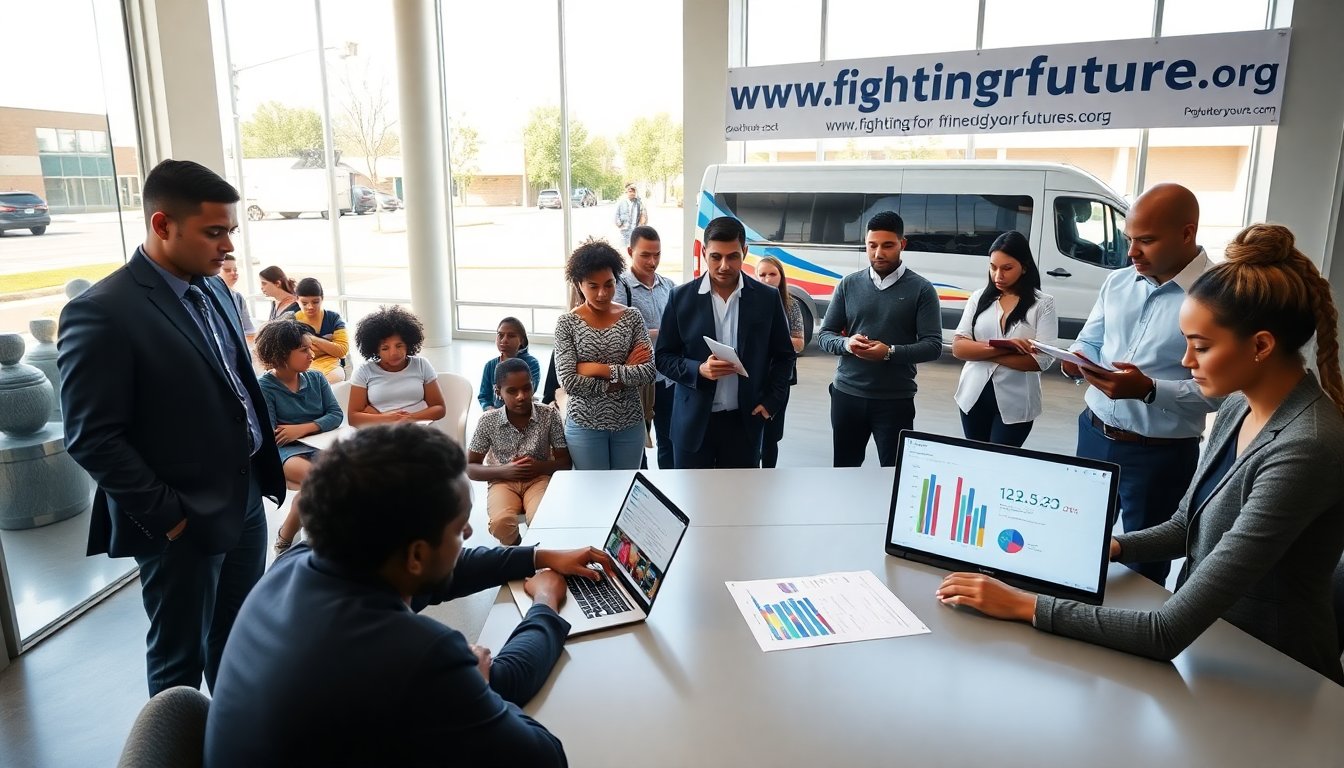
www.fightingforfutures.org helps youth find stability and hope. The organization offers education support, counseling, job training, and family services. It serves urban and rural communities. It measures results with clear metrics. This article explains program areas, impact, and ways people can volunteer, donate, or partner to help youth succeed.
Table of Contents
ToggleKey Takeaways
- www.fightingforfutures.org helps youth succeed by providing education support, mental health counseling, job training, and family services across urban and rural communities.
- The organization uses measurable outcomes like graduation rates and employment placements to track program success and continuously improve services.
- Volunteers can contribute through tutoring, mentoring, or facilitating workshops, with training and clear safety protocols provided by the organization.
- Donors can support programs financially with one-time or recurring gifts, with transparent reporting on how funds impact youth outcomes.
- Partnership opportunities with schools, employers, and health clinics expand reach and effectiveness, encouraging collaboration to support youth stability and growth.
- Youth leadership programs teach practical skills and offer small grants for community projects, fostering confidence and real-world experience.
Program Areas And Core Services
www.fightingforfutures.org runs programs that focus on education, mental health, employment, and family support. The education program offers tutoring, GED prep, and college guidance. Staff give one-on-one coaching. They track attendance and grade improvements. The mental health program provides individual counseling, group therapy, and crisis support. Licensed clinicians lead sessions. They use measurable outcome tools to record symptom reduction and coping skill gains.
The employment program teaches job skills, builds resumes, and places youth in internships. Career coaches help with interview practice. Employers receive support to keep placements stable. The family support program helps parents with parenting classes, housing referrals, and benefits navigation. Case managers coordinate services across programs to reduce gaps and duplication.
Programs run at community centers, schools, and partner sites. Mobile teams reach rural areas with limited services. The organization uses digital tools for remote tutoring and teletherapy. They keep data in a secure system to protect privacy and to monitor outcomes. www.fightingforfutures.org trains staff in trauma-informed care. Staff use clear protocols for safety and follow-up. They adjust services based on client feedback and data trends.
The organization also offers youth leadership and civic engagement programs. These programs teach public speaking, budgeting, and volunteer management. Youth lead community projects with adult mentors. The group funds small grants for youth-led initiatives. These grants help young people build confidence and real-world experience.
Measurable Impact And Success Stories
www.fightingforfutures.org reports clear metrics each year. The group measures graduation rates, employment placements, mental health improvements, and housing stability. Independent evaluators review the data. Recent reports show increased school attendance and higher job retention among participants. For example, the education program raised on-time graduation by 18% in a recent cohort. The employment program placed 65% of participants in paid work within six months.
Staff collect client stories to show human impact. One youth moved from unstable housing to a stable apartment after case management and employment support. The youth kept a job for nine months and reconnected with school. Another teen completed GED classes through remote tutoring and then enrolled in community college. A young parent reduced anxiety symptoms after counseling and completed a parenting class.
The organization tracks long-term outcomes. They follow participants for up to three years after program exit. Data shows many youth keep steady employment and maintain stable housing. www.fightingforfutures.org uses this evidence to scale effective programs and to stop practices that do not show results. The group shares reports with funders and community partners.
Partners include local school districts, health clinics, employers, and housing agencies. These partners offer referrals, space, and services. Funders include foundations and local donors. The group publishes annual impact reports online and posts updates on community progress. Volunteers and mentors also report positive changes in skills and outlook when they work with youth.
How To Get Involved: Volunteer, Donate, And Partner
People can support www.fightingforfutures.org in three main ways: volunteer, donate, and partner. Volunteers tutor, mentor, and run workshops. They commit a few hours a week or a full-day event. The organization trains volunteers and matches them to roles that fit their skills. Background checks and orientation sessions keep youth safe.
Donors give one-time gifts or monthly support. Donations pay for staff, program supplies, and small grants to youth. The website shows how funds reach programs and the outcomes they support. Donors can designate gifts to specific programs or to general operations. The group offers receipts and impact updates to keep donors informed.
Organizations can partner formally. Schools can host programs and give referrals. Employers can offer internships and hire program graduates. Health clinics can co-locate services. Funders can join advisory groups and support evaluation work. Partners meet regularly with staff to align goals and share data.
To start, visit the contact page on www.fightingforfutures.org and fill out the interest form. A staff member responds within five business days. The group also posts volunteer openings and donation drives on social media. Community groups can request a site visit or a virtual briefing to learn about program details.
www.fightingforfutures.org offers clear volunteer pathways and donor options. It provides partnership packages that list roles, expectations, and benefits. The organization welcomes collaborations that expand reach and improve outcomes. Local businesses can sponsor events or fund a cohort of trainees. Civic groups can host fundraising drives or provide pro bono services.
Volunteer time and financial gifts both produce measurable gains for youth. The organization reports back on how each contribution helps. People who give time often gain skills and feel rewarded. Donors see updates on program success and on youth achievements.