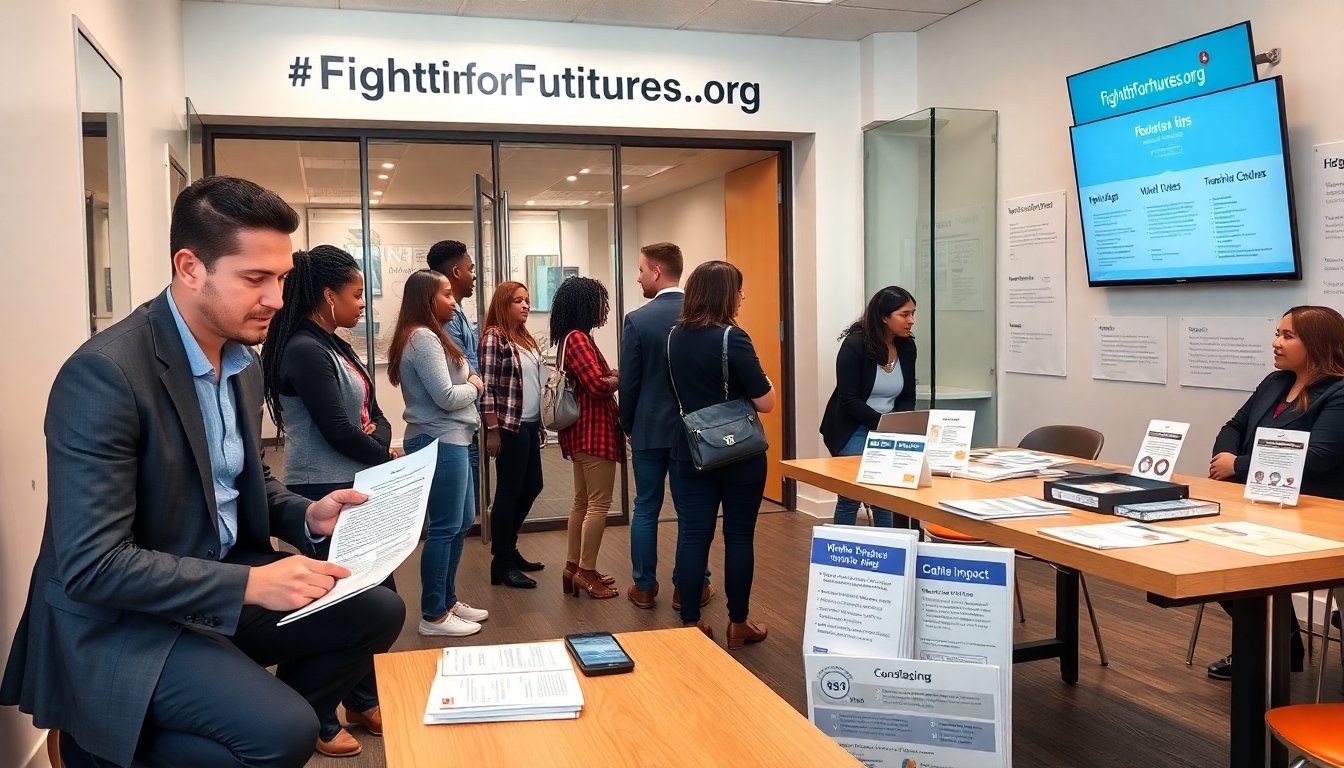

Picture this: It’s your first day at a new job. You’re sitting in a conference room, palms sweating, heart thumping. The manager hands you a project and says, “We trust you.” You nod, but inside, you’re thinking, “Do I have what it takes?” That moment—raw, electric, a little terrifying—comes down to one thing: career competencies. If you’ve ever wondered why some people seem to glide through challenges while others stumble, here’s the secret nobody tells you: it’s not just talent or luck. It’s a set of skills you can actually build.
Table of Contents
ToggleWhat Are Career Competencies?
Career competencies are the skills, behaviors, and attitudes that help you succeed at work. They’re not just about technical know-how. They’re about how you think, communicate, solve problems, and adapt. If you’ve ever watched someone defuse a tense meeting with a joke or turn a failed project into a learning moment, you’ve seen career competencies in action.
Why Do Career Competencies Matter?
Here’s why: Employers hire for skills, but they promote for competencies. You can ace every technical test, but if you can’t work with others or handle feedback, you’ll hit a ceiling. Career competencies bridge that gap. They help you stand out, get noticed, and move up. According to a 2023 LinkedIn survey, 92% of talent professionals say soft skills matter as much or more than hard skills. That’s not just a trend—it’s a wake-up call.
The Core Career Competencies
Let’s break it down. While every job is different, most employers look for a few core career competencies. Here are the big ones:
- Communication: Can you explain your ideas clearly? Do people listen when you talk?
- Problem-Solving: When things go sideways, do you freeze or find a way forward?
- Adaptability: Can you handle change without losing your cool?
- Collaboration: Do you play well with others, even when you disagree?
- Self-Management: Can you set goals, manage your time, and stay motivated?
- Digital Literacy: Are you comfortable with new tools and tech?
Here’s the part nobody tells you: You don’t need to be perfect at all of these. You just need to know where you’re strong and where you can grow.
How to Build Career Competencies
If you’re thinking, “Great, but how do I actually get better at these?”—you’re not alone. Most people aren’t born with career competencies. They build them, one awkward meeting or failed project at a time. Here’s how you can start:
1. Get Real Feedback
Ask your boss, your coworkers, even your friends: “What’s one thing I do well? What’s one thing I could do better?” It stings, but it works. The first time I asked, my manager said, “You’re great at ideas, but you interrupt people.” Ouch. But that one comment changed how I listen in meetings.
2. Practice in Low-Stakes Settings
Want to get better at public speaking? Try leading a team huddle. Need to improve your digital skills? Volunteer to help with a new software rollout. The trick is to practice when the stakes are low, so you’re ready when it counts.
3. Learn from Mistakes
Everyone messes up. The difference is what you do next. After a botched presentation, I used to hide. Now, I ask, “What can I learn from this?” That shift turned embarrassment into progress. If you’ve ever felt like quitting after a mistake, you’re not alone. But every stumble is a chance to build your career competencies.
4. Set Micro-Goals
Don’t try to overhaul everything at once. Pick one competency—say, time management. Set a tiny goal: “I’ll plan my day before I check email.” Small wins add up. Over time, you’ll see real change.
Career Competencies in Action: Real Stories
Let’s get specific. Sarah, a project manager, struggled with conflict. She hated saying no. After a tough project, she realized her team was burning out. She started practicing direct communication—first in emails, then in meetings. The result? Her team finished projects faster, and Sarah got promoted.
Or take Mike, a software developer. He loved coding but froze in presentations. He joined a local Toastmasters group, bombed his first speech, but kept going. Six months later, he led a client demo and nailed it. Mike’s technical skills got him in the door, but his new career competencies moved him up the ladder.
Who Needs Career Competencies?
If you’re early in your career, building these skills now will save you years of frustration. If you’re mid-career and feeling stuck, career competencies can help you break through. If you’re a leader, your team’s success depends on your ability to model and teach these skills. But here’s the truth: If you’re happy where you are and don’t want to grow, you can skip this. For everyone else, career competencies are your secret weapon.
Common Myths About Career Competencies
- “You’re born with them.” False. You can build every competency with practice.
- “Only managers need them.” Wrong. Every role benefits from strong career competencies.
- “They’re just soft skills.” Not quite. Career competencies include technical, digital, and personal skills.
If you’ve ever felt like you’re missing some secret ingredient at work, this is it. The good news? You can start today.
Next Steps: Building Your Career Competencies
Ready to get started? Here’s a quick plan:
- Pick one career competency to focus on this month.
- Ask for feedback from someone you trust.
- Find one way to practice that skill each week.
- Track your progress—write down what works and what doesn’t.
- Celebrate small wins. Progress beats perfection.
Career competencies aren’t just a buzzword—they’re the difference between feeling stuck and feeling unstoppable. If you’ve ever doubted yourself at work, remember: You can build these skills. You can change your story. And the next time you’re handed a big project, you’ll know you have what it takes.