
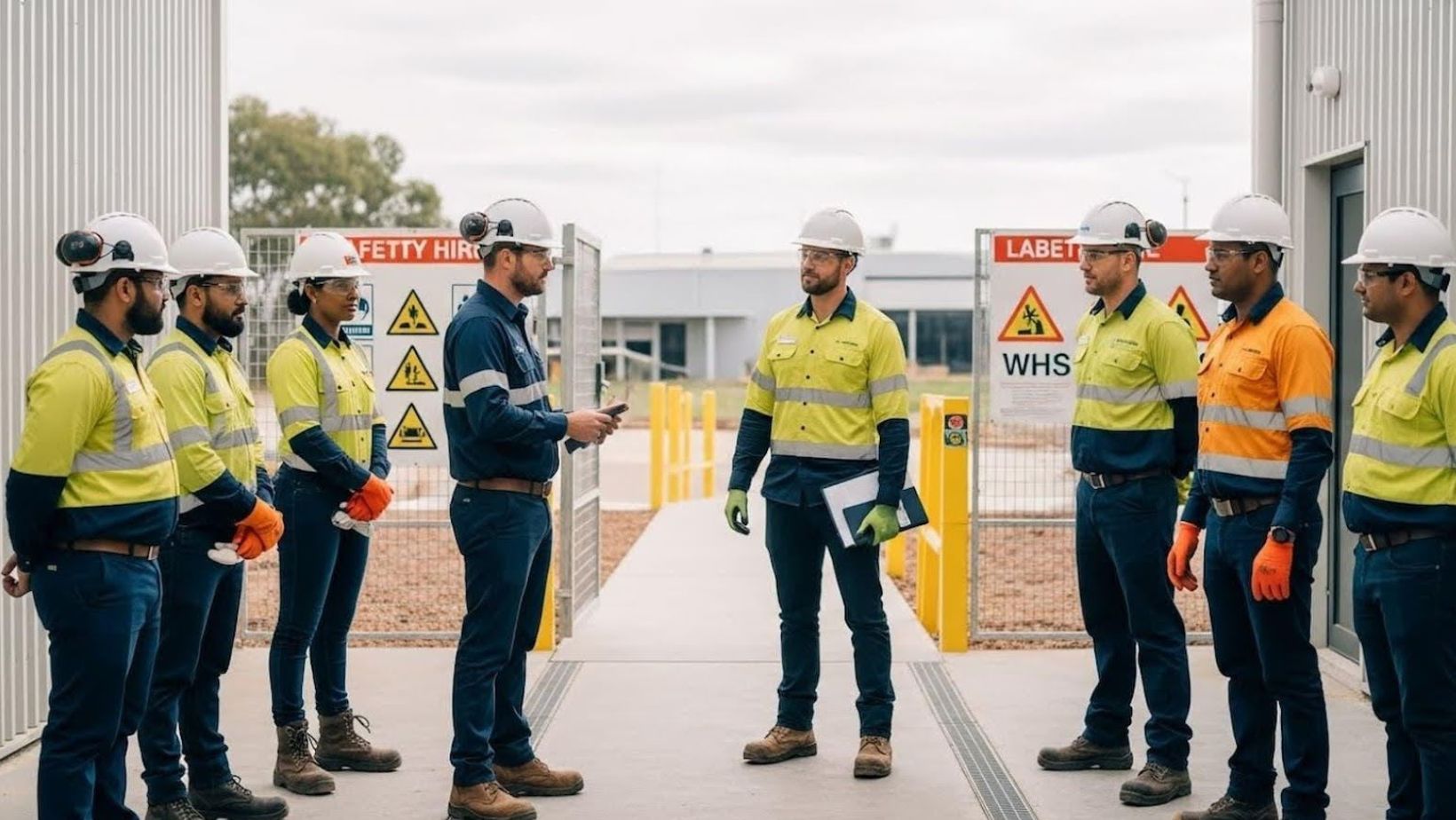
Starting a new gig as a labour hire worker is always a massive opportunity. Sure, it’s bloody exciting, but maybe a tad nerve-wracking too. Whether you’re placed on a bustling construction site through a labour hire Melbourne, a massive logistics warehouse, or any other worksite from Sydney to Perth, there’s one thing that should always come first: your safety and the safety of your mates.
Safety isn’t just a good idea, mate. It’s the legal backbone of working life under Australian workplace rules, commonly referred to as WHS or OHS. From the moment you clock in, both you and your boss share the critical responsibility of ensuring the job is safe, fully supported, and compliant with all regulations. This expanded checklist is your detailed guide to make sure you start off feeling confident, completely clued-in, and absolutely protected for the duration of your assignment. No dramas or unnecessary risks.
Day One Safety Checklist for Labour Hire Workers
Your first day sets the professional and safety standard for the entire assignment. Knowing exactly what to spot, what critical questions to fire off, and what documentation you need can make a huge difference to your overall experience and well-being. Use this comprehensive checklist as a practical guide to get stuck in safely and smoothly.
1. Get the Lowdown: Detailed Safety Inductions and Training
A proper, site-specific safety induction is non-negotiable and must be taken seriously. Never rush or skip this vital step.
Understanding Specific Site Hazards:
Dedicate your full attention to understanding the potential dangers specific to your role and location. This could range from working near heavy mobile gear (like forklifts or cranes), understanding safe access points and exclusion zones, or handling specific hazardous chemicals (SDS).
Correct PPE Protocols:
Ensure you are correctly issued with all necessary Personal Protective Equipment (PPE), not just a hard hat and vest. You must be shown the right way to wear and maintain items like respiratory masks, hearing protection, gloves, and safety harnesses to ensure they are actually effective.
Emergency Response Procedures:
Know your comprehensive plan for when things go wrong. This includes the precise location of evacuation assembly points, the process for alerting emergency services, where the nearest first aid station and trained officers are located, and the proper procedure for securing the site during an incident.
If any part of the induction process or piece of equipment feels unclear or complex, stop the line and speak up. It is always your right to ask questions until you are completely comfortable.
2. Know Your Rights and Your Legal Safeguards
As a labour hire worker, you have the exact same rights and responsibilities under WHS/OHS law as the permanent blokes and sheilas working beside you.
Confirm your entitlements regarding safe working conditions, break times, and pay rates under the Fair Work Act. You are entitled to a workplace that provides adequate facilities and reasonable hours.
At the same time, ensure your labour hire agency has confirmed your coverage for Workers’ Compensation, which varies slightly by state and territory. Make sure you understand the initial steps required if you cop a work-related injury or illness, including who to notify first.

The employer should also have already assessed the risks and put control measures, such as engineering or administrative controls, in place for your specific job role. Ask for a brief overview of the key risk controls related to your immediate tasks.
Knowing your rights helps you protect yourself and empowers you to look out for the safety of others on the site.
3. Get Comfy with the Tools and Gear
Under no circumstances should you operate any equipment unless you have been officially trained, assessed as competent, and you are 100% confident it’s safe and functional.
Pre-Start Equipment Checks:
Make it a habit to give all tools and machinery a quick, critical once-over for any visible faults, damage, or missing safety guards before you power them up. If something looks suspicious, tag it out and report it immediately.
Mandatory Training Confirmation:
You must receive clear, documented instructions and practical training on how to use every piece of kit safely. This includes understanding the full functionality of emergency stop buttons, how to conduct safe changeovers, and correct manual handling techniques.
Licences and Certification:
Ensure the supervisor has confirmed your relevant licences, tickets, or qualifications are valid and cover the specific tasks you are assigned, such as a Forklift Licence or Elevated Work Platform ticket.
The simple rule is this: if the training hasn’t been provided or the gear is faulty, don’t touch it, tag it, and notify your supervisor. Full stop.
4. Have a Squiz at the Work Environment and Conditions
Your surroundings are just as vital to your health and safety as the task you’re performing. Actively look out for hazards that increase risk, such as spills, poor lighting, obstructions in walkways, or temporary flooring. Report these immediately so they can be isolated or fixed.
Listen closely to your body. Ensure you take your scheduled breaks, stay adequately hydrated (especially on hot Aussie days), and let your supervisor know early if you’re feeling overly fatigued or unwell.
Ensure that working conditions, such as excessive heat or cold, ventilation, and noise levels, are managed safely. Demand access to cooling or heating facilities if the environment poses a risk to health.
A safe environment, free from unnecessary risks, is the absolute backbone of good productivity and sustained well-being.
5. Incident and Hazard Reporting
All accidents, injuries, and especially near-misses — a close call where someone could have been hurt — must always be documented and reported, no matter how minor or embarrassing they seem.
Make sure you know exactly who to report to first, including your direct supervisor and the labour hire agency contact, and understand the full process for how incidents and injuries are recorded and investigated.
If you spot something dangerous or unsafe, such as a faulty ladder, a missing guardrail, or an unguarded opening, you have a duty to act immediately to prevent injury. This means isolating the hazard, placing warning signs, and calling it in straight away so it can be fixed.
Speaking up and reporting every potential issue is how the whole crew learns and how serious injuries are prevented down the track.
Let’s Do the Right Thing
Your first day as a labour hire worker is the absolute best time to establish strong, non-negotiable safety habits. Understanding your legal rights, asking all the necessary questions, and keeping a watchful eye on your surroundings are key ingredients for staying safe and successful on the tools.
This checklist is more than just a formality. It’s a critical reminder that safety is a shared responsibility; a two-way street. When the boss and the workers cooperate fully and look out for each other, everyone comes out ahead.
Remember: your safety is priceless. Take the time to speak up, stay informed, and genuinely look after yourself and your mates. Because a safe start means a better assignment and a better work experience overall.