
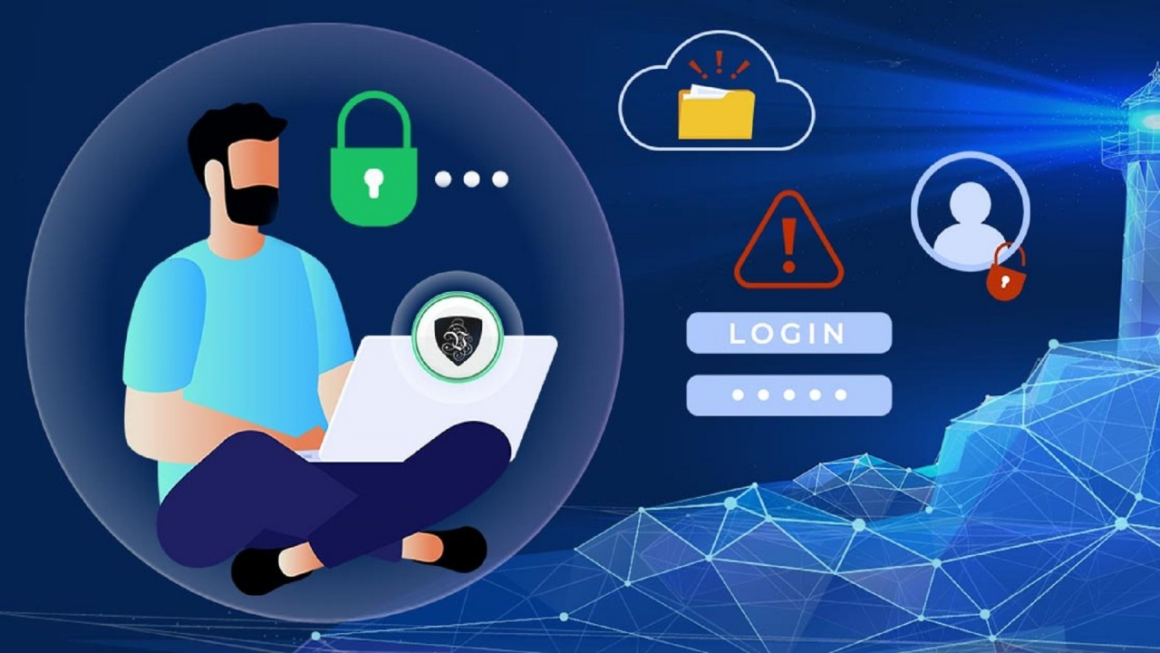
As personal data increasingly becomes the currency of the modern web, digital rights advocates and security experts continue to push for structural changes in how internet services handle user identity. For decades, the dominant online model has relied on centralised authentication mechanisms – systems where users hand over personal identifiers, passwords, and demographic details to massive corporate databases. This legacy framework creates significant security risks, exposing millions of citizens to data breaches, identity theft, and invasive tracking. In response to these growing vulnerabilities, decentralised authentication protocols and cryptographic verification models are emerging as essential tools for preserving digital autonomy, offering a clearer path toward an open and privacy-respecting digital future.
Table of Contents
ToggleThe Inherent Vulnerabilities of Centralised Identity Models
The traditional paradigm of web authentication relies on a fundamental trade-off: convenience in exchange for personal privacy. When users register for services using standard email-and-password combinations or single-sign-on (SSO) systems managed by major tech conglomerates, they inadvertently create massive honeypots of sensitive information. Centralised databases store vast repositories of credentials, personal habits, and behavioural metadata, making them primary targets for cybercriminals and unauthorized surveillance.
Furthermore, centralised identity models give service providers asymmetrical control over user access. A single administrative decision or database corruption can instantly lock individuals out of their accounts, digital assets, or online communities. As regulatory frameworks evolve to protect consumer privacy, relying on third-party custodians to manage sensitive credentials appears increasingly outdated. The structural flaw of centralised storage is clear: whenever personal data is harvested and stored en masse, user security is inherently compromised.
Cryptographic Signatures and Decentralised Access
To address these vulnerabilities, software engineers and privacy researchers are turning toward public-key cryptography as the foundation for digital identity. Rather than submitting passwords or identity documents to a central server, users authenticate their identity through cryptographic signatures generated by private keys stored locally on their own devices. This approach ensures that personal credentials never leave the user's possession.
By decoupling access verification from data collection, cryptographic authentication removes the need for centralised tracking. For instance, modern decentralised applications and crypto-enabled service portals – where a secure Fairspin login leverages cryptographic wallet signatures rather than storing sensitive personal credentials on vulnerable corporate servers – demonstrate how user-centric authentication safeguards privacy. Through this mechanism, the application verifies the user's authority to interact with the platform without acquiring or storing intrusive personal data, effectively mitigating the threat of large-scale credential leaks.
Empowering Users Through Data Sovereignty
The transition toward decentralised identity represents a broader movement toward personal data sovereignty. In a self-sovereign identity framework, individuals maintain absolute ownership over their digital footprints. Rather than allowing platforms to monetise user profiles or share browsing habits with third-party advertisers, decentralised architectures allow individuals to grant granular, temporary access permissions that can be revoked at any time.
This shift has profound implications for digital rights, particularly in regions where internet freedom is restricted or heavily monitored. When authentication protocols do not require personal identification or central register validation, individuals can freely participate in digital ecosystems without fearing unauthorized monitoring or data exploitation. Decentralised authentication converts privacy from an abstract principle into a functional, built-in feature of digital infrastructure, ensuring that technology serves as a tool for personal empowerment rather than corporate oversight.
The Path Toward Standardised Privacy Infrastructure
While the technical foundation for cryptographic authentication is established, achieving widespread adoption requires continuing innovation in user interface design and network standards. Early implementations of decentralised tools often presented high barrier-to-entry challenges for non-technical users. However, recent developments in account abstraction, smart contract wallets, and frictionless web interfaces are bridging this accessibility gap.
For digital rights advocates and technology builders, the priority must remain focused on establishing open, interoperable standards that prioritise security without sacrificing usability. As decentralised protocols become integrated into mainstream web browsers, mobile operating systems, and online services, the internet will gradually move away from fragile, invasive identity models. Protecting digital rights in the coming decades requires building systems that respect human dignity by design – establishing an internet where security, privacy, and user control are guaranteed for all.