
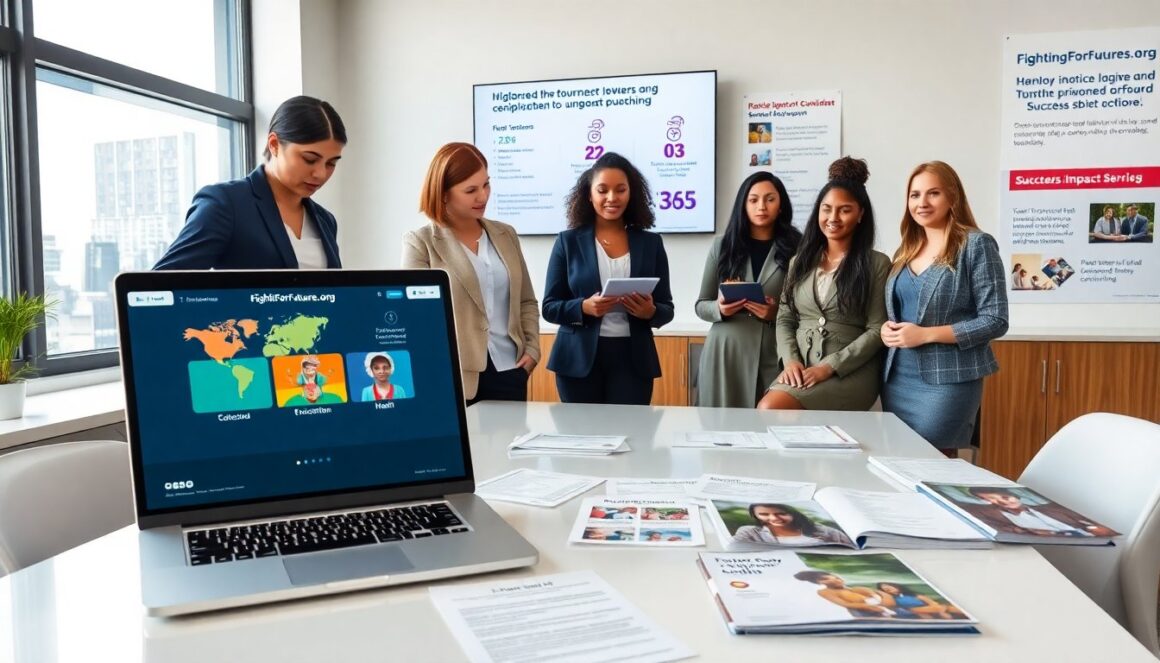
Fightingforfutures .org connects young people with services that reduce risk and increase stability. The site lists programs, training, and supports. It shows who qualifies and how to access help. Readers learn how the movement helps youth break cycles and plan steady futures.
Table of Contents
ToggleKey Takeaways
- FightingForFutures.org connects youth aged 14 to 24 with vital programs and services that reduce risk and foster stability.
- The platform prioritizes racial equity and economic inclusion while addressing issues like poverty, unstable housing, and interrupted education.
- Users can easily find local and national resources grouped by education, jobs, and health, with clear eligibility and contact information.
- Volunteers, donors, and community partners can engage through transparent roles, giving options, partnerships, and referral tools on FightingForFutures.org.
- The site supports ongoing improvement by collecting outcome data, sharing success stories, and offering training materials for service providers.
- FightingForFutures.org empowers communities to break cycles and build steady futures by coordinating effective supports and resources for at-risk youth.
What FightingForFutures.org Does And Who It Serves
FightingForFutures.org catalogs local and national resources for youth at risk. The site highlights programs for ages 14 to 24. It lists services for pregnant and parenting teens, youth exiting foster care, and justice-involved youth. The platform maps service locations and offers clear intake instructions. Staff and volunteers publish eligibility checks and contact details. Community partners use the site to refer youth. Funders use the site to find impact metrics and program descriptions. Families find step-by-step guidance to get immediate help.
Why Fighting For Futures Matters: The Problem, The Opportunity, And The Organization’s Approach
Young people face repeating cycles of poverty, unstable housing, and interrupted schooling. FightingForFutures.org frames these problems as solvable through coordinated services. The site shows where gaps exist and where partnerships can plug them. The organization focuses on prevention, early intervention, and sustained support. It prioritizes racial equity and economic inclusion in program design. The platform collects outcome data to guide improvements. It shares success stories to illustrate real progress. Donors and policymakers use the evidence to allocate resources more wisely.
Core Programs And Services Offered
FightingForFutures.org lists programs with clear descriptions and contact steps. The site groups services by education, jobs, and health. It shows program length, eligibility, and expected outcomes. The platform includes referral forms and volunteer needs. Users can filter programs by location and by service type. The site updates listings regularly and flags new partnerships. Community leaders can request technical support to start similar programs. The site offers training materials for local providers and templates for tracking outcomes.
How To Get Involved: Volunteers, Donations, Partnerships, And Referrals
FightingForFutures.org lists volunteer roles with time commitments and tasks. The site offers background check guidance and training schedules. Donors find clear giving options and fiscal reports. The platform shows how to sponsor a program or fund a cohort. Nonprofits can request partnerships through an online form. Employers can post job pipelines and offer paid internships. Schools and shelters can register as referral partners. The site provides templates for referral letters and data-sharing agreements. Readers can subscribe to updates and to local opportunity alerts.