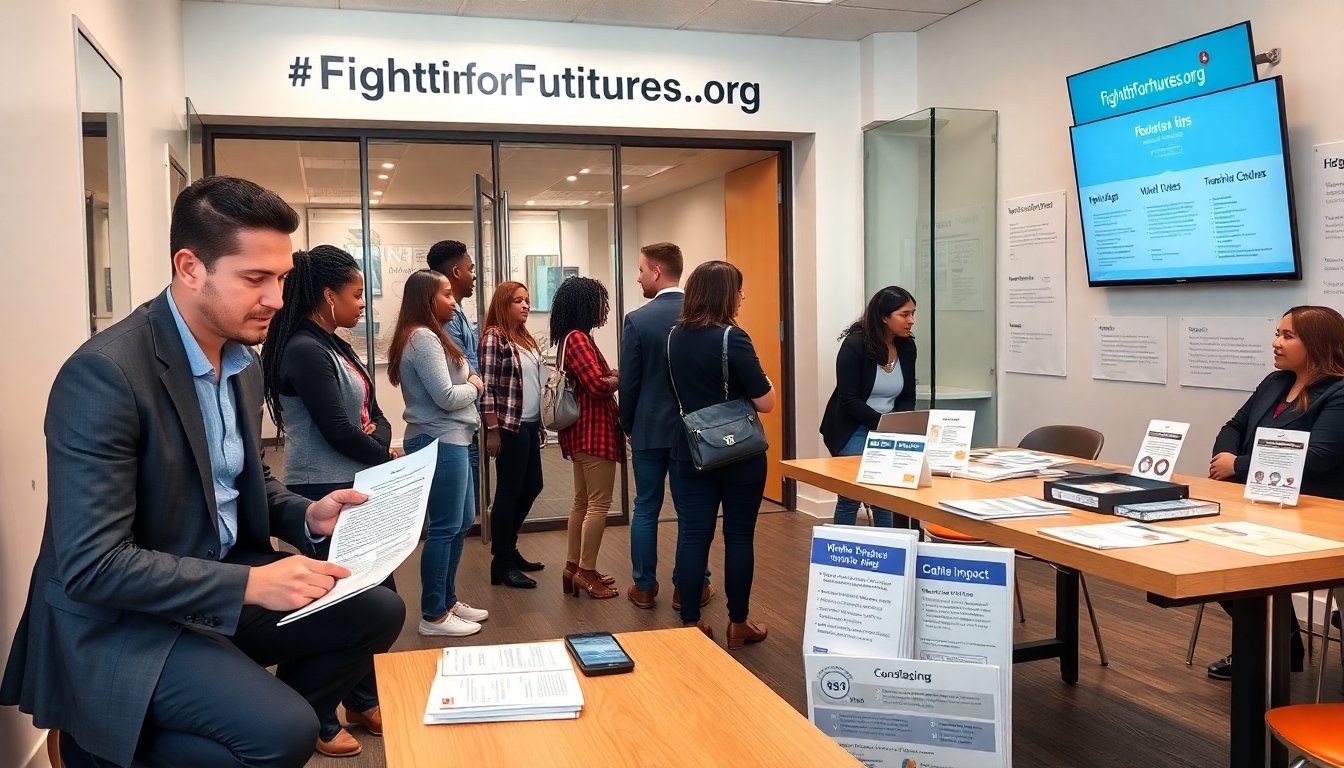

hr cyberscrutiny apps fightingforfutures help HR teams find threats and protect data. They let teams watch user activity, check devices, and flag risky patterns. The tools reduce exposure from phishing, leaked credentials, and insider error. They give HR measurable signals. They allow HR to act faster and to document decisions for audits.
Table of Contents
ToggleKey Takeaways
- HR cyberscrutiny apps fightingforfutures empower HR teams to detect threats and protect employee data through continuous monitoring and risk scoring.
- These apps enable faster incident response by prioritizing risks, sending alerts, and providing actionable playbooks for HR and security teams.
- They support legal compliance by maintaining detailed audit trails, managing data access, and simplifying responses to subpoenas and regulatory inquiries.
- Successful implementation requires clear policies, transparent communication with employees, and strict data access controls to maintain trust.
- Regular training, quarterly reviews of risk scores, and collaborative drills with legal and IT ensure these tools remain effective and aligned with policy goals.
- By balancing protection with privacy, hr cyberscrutiny apps fightingforfutures help HR teams reduce security incidents while fostering employee confidence.
Why Cyberscrutiny Matters For HR Teams Today
HR teams now face digital threats that affect people and operations. They must protect employee data, maintain legal compliance, and keep hiring systems safe. hr cyberscrutiny apps fightingforfutures provide continuous visibility into account use and third-party access. They detect unusual logins, credential reuse, and risky file sharing. They help HR spot patterns that indicate targeted attacks or negligent behavior. They also support incident documentation. HR can use those records in investigations and audits. They reduce time spent on manual log checks. They allow teams to prioritize cases by risk level. They make privacy reviews faster. They also help legal teams prepare for regulatory inquiries.
Core Features Of HR Cyberscrutiny Apps
hr cyberscrutiny apps fightingforfutures group features that serve HR and security. They collect telemetry, analyze behavior, and present clear findings. They let teams focus on people rather than raw logs. The features below show how.
Monitoring, Privacy, And Legal Compliance
Apps monitor email flow, cloud storage access, and single sign-on events. They flag transfers of sensitive files and mass exports. They mark access by contractors and by third-party apps. They record consent and data access decisions. They keep audit trails that show who viewed a record and when. They anonymize or redact data where privacy rules require it. They generate reports that match common regulations. They let HR create retention policies and review exceptions. They also support lawful requests by investigators or regulators. HR can export evidence while keeping chain-of-custody intact. These features reduce the time HR spends responding to subpoenas or audits.
Risk Scoring, Alerts, And Incident Response
The apps score risk for users, devices, and apps. They use rules and simple models to combine signals. They assign scores that rank priority. They send alerts when a high-risk score appears. They route alerts to HR, security, or legal. They include playbooks that tell teams what action to take. They let teams suspend accounts, block integrations, or require multifactor authentication. They log each response step for review. They integrate with ticket systems to track remediation. They also provide timelines that show event sequences. Those timelines help HR explain impact to leaders and employees. They let HR show proof of actions taken.
Implementing Cyberscrutiny Without Breaking Trust
HR must balance protection and trust. They should set clear policies before they deploy tools. They should tell employees what the tools collect and why. They should limit access to collected data to a few trained people. They should publish simple guidelines and contact points for questions. They should involve legal and privacy teams in rule design. They should avoid broad scans that gather unnecessary personal content. They should prefer event-level signals over full content capture when possible. They should test alerts in a sandbox before they go live. They should train HR staff on bias and false positives. They should review scores and thresholds every quarter. They should offer remediation paths that focus on coaching, not just punishment. They should measure outcomes such as reduced incidents and faster response times. They should share non-sensitive metrics with employees to build confidence. They should audit the system for accuracy and for access logs. They should update vendor contracts to include data handling terms and breach notice timelines. They should plan regular drills that include HR, IT, and legal teams. Those drills should exercise alert pathways and evidence collection. They should adjust playbooks after each drill. They should track changes to ensure the tools still support policy goals. hr cyberscrutiny apps fightingforfutures can help HR keep people safe while keeping trust intact. hr cyberscrutiny apps fightingforfutures work best when teams set clear limits and explain trade-offs. hr cyberscrutiny apps fightingforfutures let HR show measurable improvements in security and process.