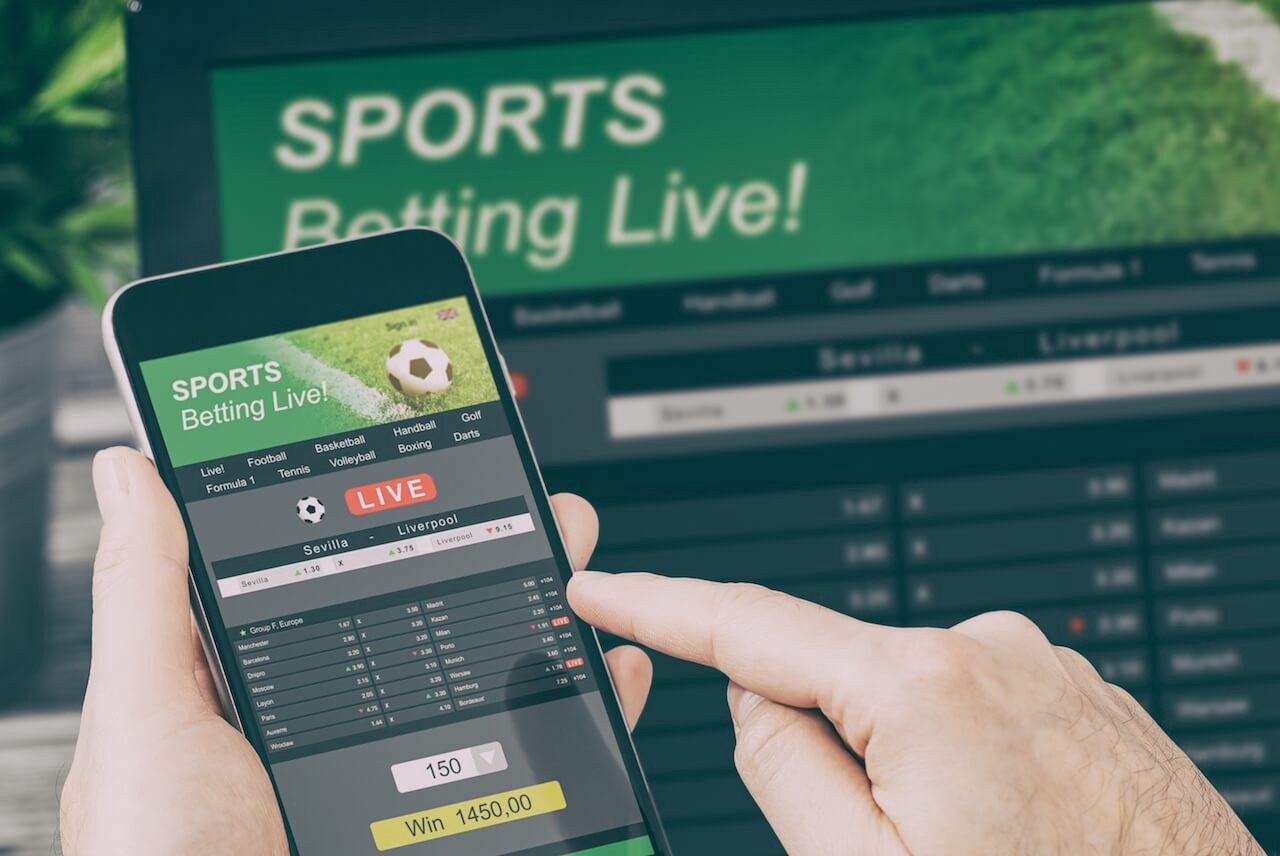
Digital entertainment is designed to be smooth. No waiting, no effort, no friction. That’s the point. The downside is obvious: when everything is instantly available, self-control becomes the only real “gatekeeper.” Some people notice it through time disappearing. Others notice it through spending patterns, especially in services that include payments and payouts, where details like parimatch minimum withdrawal become part of the routine and the planning.
Responsible consumption isn’t about being strict or moral. It’s about staying intentional. Entertainment should feel like a break, not like something that quietly takes over the day.
Table of Contents
ToggleStep One: Define What Entertainment Is For
Limits work when the reason is clear. Otherwise, they feel like punishment.
A useful question is simple:
- Is entertainment meant to relax the brain?
- Is it meant to socialize?
- Is it meant to add energy, like a reset?
- Or is it being used to avoid something?
Avoidance isn’t “bad,” but it changes the strategy. If entertainment is covering stress, limits need to include a replacement plan, not only restriction.
Build Limits Around Real Life, Not Ideal Life
Most limit plans fail because they assume perfect days. Real days are messy: work runs late, trains are delayed, moods change.
More realistic boundaries look like:
- weekday limits that are lighter and predictable
- flexible weekend limits that allow longer sessions
- “no entertainment before X” rules to protect mornings
- “no entertainment after X” rules to protect sleep
These aren’t harsh. They’re protective.
Use Friction On Purpose
The easiest way to set limits is to design small obstacles that slow automatic behavior. Not huge barriers, just little pauses.
Friction ideas that actually work:
- remove saved payment methods unless needed
- turn off non-essential notifications
- keep entertainment apps off the home screen
- use app timers with a soft warning and a hard stop
- log out after sessions, especially on shared devices
A tiny pause is often enough to break the autopilot loop.
Set Two Limits, Not One
Most people only set a time limit. That’s half the picture. A better system uses:
- a time limit, to protect attention
- a spend limit, to protect finances and emotional decisions
This applies across entertainment types: streaming subscriptions, in-app purchases, memberships, paid features. The category doesn’t matter. The habit does.
A simple approach:
- monthly entertainment budget
- weekly “free spend” cap inside that budget
- no spontaneous spending late at night
Late-night spending is usually mood spending. Mood spending is rarely satisfying.
Learn The Difference Between A Session And A Spiral
A healthy session has a clear start and a clean finish. A spiral feels like “just one more” without a stopping point.
Signs it’s turning into a spiral:
- losing track of time repeatedly
- irritation when interrupted
- continuing even when it stopped being enjoyable
- chasing a specific feeling rather than enjoying the activity
When those signs appear, the limit should be tighter, not because the activity is evil, but because the pattern is becoming automatic.
Make Entertainment More Intentional By Upgrading It
One reason people overconsume is that the entertainment is low quality. It doesn’t satisfy, so it repeats.
A simple fix: fewer sessions, better sessions.
- choose one good film instead of three random clips
- pick a series with a clear arc, not endless scrolling
- schedule gaming with friends instead of solo autopilot
- swap one night of content for an activity that restores the body
High-quality entertainment fills the cup faster.
Keep A “Replacement List” Ready
Limits feel easier when there’s something else available. Not a grand life overhaul. Just a short menu of alternatives.
A realistic replacement list:
- a 10-minute walk
- stretching or a shower reset
- cooking or making tea
- calling a friend
- reading something short, not “serious”
- organizing photos or notes for five minutes
The brain often wants a switch, not entertainment specifically.
The Calm Truth About Limits
Personal limits are not about control for its own sake. They protect the parts of life that make entertainment enjoyable: sleep, focus, relationships, and money.
When limits are set intentionally, entertainment becomes what it should be:
a chosen break, not a default state. That’s the goal. Not less fun. Better fun, with fewer regrets.