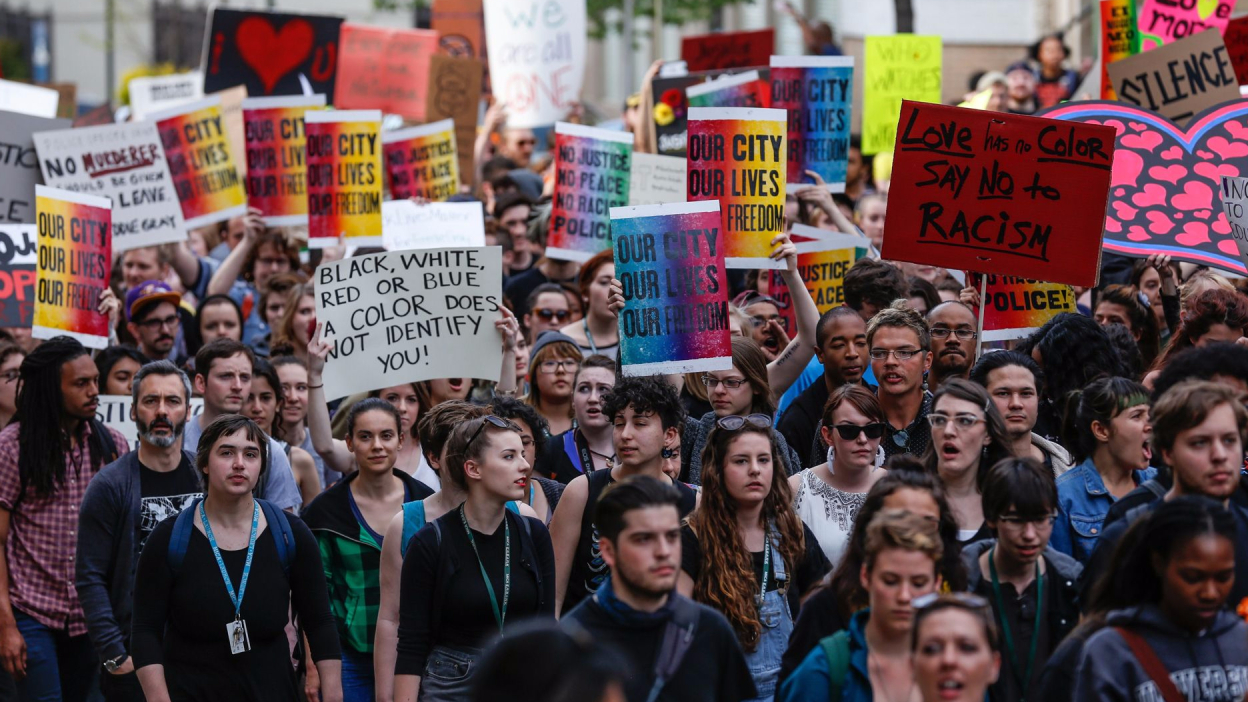
The surge of activism that has defined the past decade—things like climate strikes, Black Lives Matter protests, Indigenous land‑rights campaigns—has attracted a new generation of changemakers. Yet many of those who enter the fields within social-justice movements quickly discover a paradox: the very passion that fuels their work can also lead to exhaustion, financial instability, and short‑lived projects.
Building a sustainable career in social justice isn’t just a personal luxury; it’s a strategic necessity for movements that aim to create lasting systemic change. Here are some ways in which to build sustainable careers within the social justice movement.
Why Sustainability Matters
- Movement Longevity – Social‑justice victories rarely happen overnight. They require decades of advocacy, policy work, and community organizing. When activists burn out or leave the sector, institutional memory and momentum are lost.
- Equity Inside the Movement – A sustainable career model helps level the playing field for people who cannot afford to work for free or rely on precarious gig work. It expands participation to caregivers, people of color, disabled activists, and others who are often pushed out by “passion‑pay.”
- Credibility with Stakeholders – Funders, lawmakers, and corporate partners are more willing to engage when they see a stable, professionalized infrastructure behind a cause. A career‑oriented approach signals seriousness, accountability, and the capacity to deliver measurable results.
Funding and Support Structures
- Hybrid Funding Models – Combine grant revenue with earned‑income streams (consulting, merchandise, fee‑based workshops). This reduces dependence on fickle donor cycles.
- Employer‑Sponsored Benefits – Larger NGOs are beginning to offer health insurance, retirement plans, and paid leave. When negotiating a position, ask explicitly about these perks.
- Community‑Based Salary Pools – Some activist collectives pool donor money to guarantee a living wage for core staff. Transparency dashboards help maintain trust.
Balancing Burnout
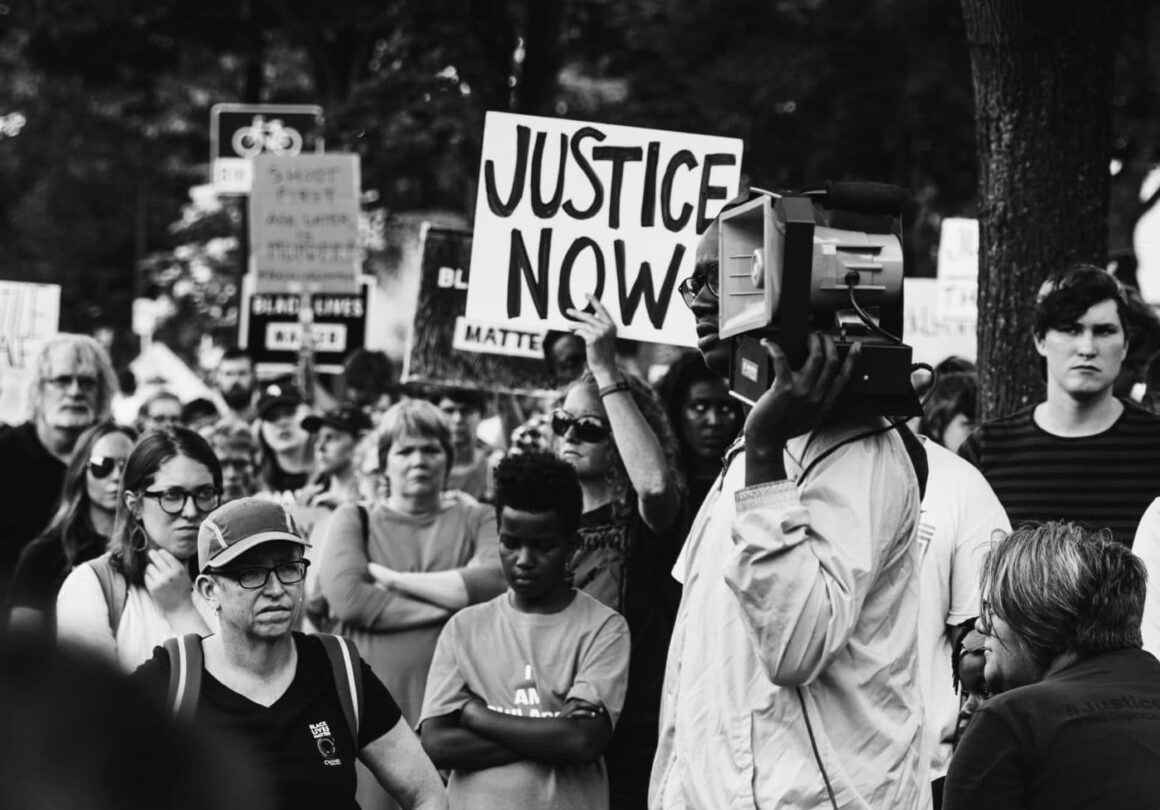
The romance of the person who is always busy and giving themselves to their work— no matter how nobel— is a cultural trap. Sustainable careers demand structured downtime:
- Scheduled Disconnects – Block out at least one full day per week without email or phone.
- Rotation of Roles – Rotate high‑stress responsibilities (crisis response) among team members to avoid overburdening a single person.
- Professional Development Days – Treat learning time as essential work, not optional extra.
Real‑World Case Studies
- The Climate Justice Fund (CJF) – Started as a volunteer‑run grantmaker; now it employs a core staff of ten, offers health benefits, and runs a “career ladder” that moves volunteers into paid roles after a six‑month apprenticeship.
- Indigenous Media Alliance (IMA) – Uses a revenue‑share model where community‑produced videos are licensed to NGOs. This creates a steady income stream that funds both production and staff salaries.
Both examples show that intentional funding design and clear career pathways can transform a movement from a “fire‑fighting” operation into a resilient organization.
Steps to Build a Sustainable Career
- Map Your Values to Marketable Skills – Identify which activist competencies align with paid roles (policy analysis to think‑tank jobs).
- Create a Portfolio – Document campaigns, policy briefs, and digital content; treat it like a professional résumé.
- Seek Mentorship – Find a senior organizer who has navigated the transition from volunteer to salaried staff; ask for advice on negotiating contracts and benefits.
- Negotiate for Sustainability – When offered a role, discuss salary options after considering some of the highest paying social work jobs, health insurance, retirement contributions, and remote‑work options before accepting.
Conclusion
The urgency of today’s social‑justice battles does not excuse the neglect of long‑term career health. By building sustainable career pathways—through up-skill development in a Bachelor of Social work to a Masters of Social work, diversified funding, and intentional self‑care—activists not only secure their own futures but also fortify the movements they serve. A resilient workforce translates into more strategic campaigns, deeper community trust, and, ultimately, the systemic change that social justice strives to achieve.