
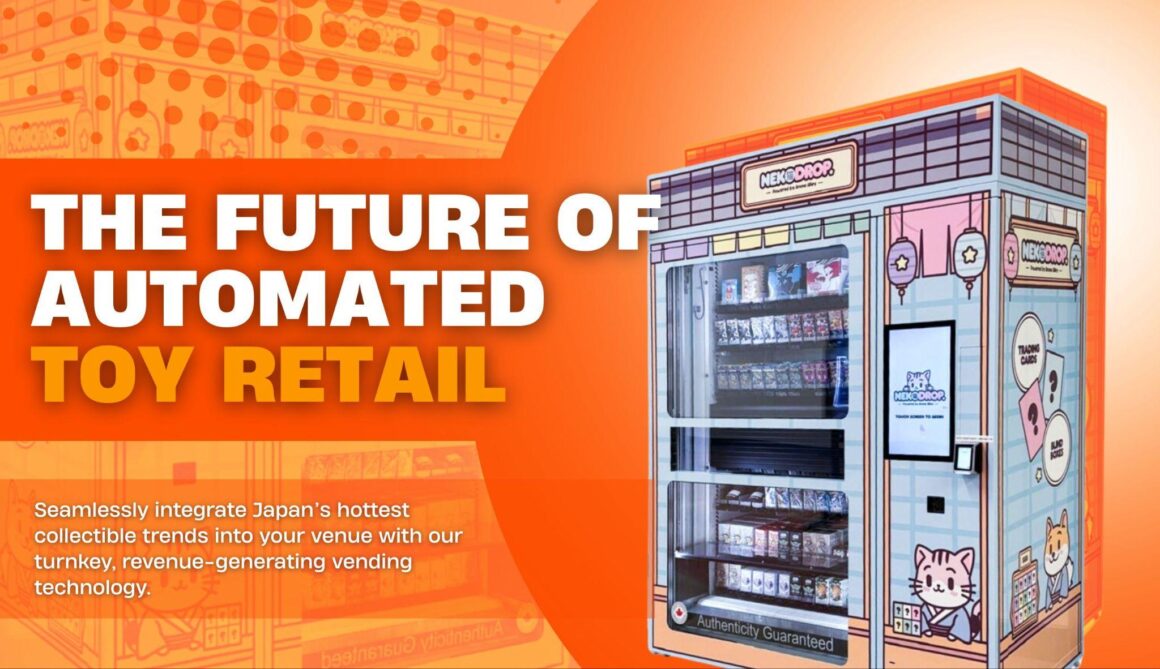
The traditional retail landscape is currently facing a reckoning. For decades, the metric of success for a toy store or a gift shop was the size of its floor plan. Business owners believed that a 1,000-square-foot storefront in a prime shopping district was the only way to capture enough foot traffic to sustain a business. However, as we move through 2026, the skyrocketing costs of commercial rent, utilities, and staffing have turned those sprawling storefronts into financial liabilities. Retail innovators are now looking toward a more surgical approach to commerce, realizing that high-density sales are far more valuable than sheer square footage. Many boutique owners find that NekoDrop vending machines provide a powerful solution for maintaining a premium brand presence without the soul-crushing overhead of a brick-and-mortar lease. This transition is not just about saving money; it is about redefining the math of the retail “footprint” for a new generation of entrepreneurs.
The Math of the Footprint: Revenue Per Square Foot
In retail, the most telling statistic is revenue per square foot. A traditional 1,000 square foot toy store carries an immense burden. To turn a profit, every square inch must contribute to paying off the base rent, the insurance, the lighting, and the salary of the employee standing behind the counter. Because much of that 1,000 square feet is “dead space”—aisles for walking, storage rooms, and checkout counters—the actual productive area of the store is quite small.
Compare this to a 10 square foot NekoDrop unit. This machine is 100% productive in space. Every inch of its footprint is dedicated to displaying and dispensing high-value collectibles. Because the machine operates in a “vertical” retail format, it utilizes its 10 square feet with maximum efficiency. Data from 2026 shows that these automated units often generate a higher net profit per square foot than the traditional stores they are replacing. You are essentially compressing a full storefront’s worth of high-demand inventory into the space of a single floor tile.
Eliminating the Overhead “Anchor”
Overhead is the anchor that sinks most small scale retailers. Even before the first customer walks through the door of a traditional shop, the owner is thousands of dollars in the red.
-
Lease Commitments: Commercial leases often require multi year commitments with annual rent hikes.
-
Staffing Costs: In 2026, finding and retaining reliable retail staff is both difficult and expensive. A storefront requires at least two or three employees to cover a standard mall schedule.
-
Utilities and Maintenance: Heating, cooling, and lighting a 1,000 square foot space is a significant monthly expense that has no direct impact on sales.
An automated retail unit eliminates these “anchors.” The machine does not require a salary, it does not need health insurance, and its electricity consumption is a fraction of a storefront’s utility bill. For the boutique owner, this represents a shift from a “fixed cost” business model to a “variable cost” model. Your expenses are tied directly to your sales, making the business significantly more resilient to economic fluctuations.
Strategic Placement: The “Surround Sound” Marketing Effect
One of the biggest advantages of a small footprint is mobility. A 1,000 square foot store is locked into its location. If the mall’s anchor tenant moves or foot traffic patterns change, the store owner is stuck.
A 10 square foot unit allows for “Surround Sound” marketing. Instead of one large store, an entrepreneur can place ten machines in ten different high traffic locations across the city for the same price as one storefront lease. This allows the brand to be where the customers already are: transit hubs, cinema lobbies, university student centers, and premium mall walkways. You aren’t waiting for the customer to find your store; you are meeting them exactly where they are already spending their time and money.
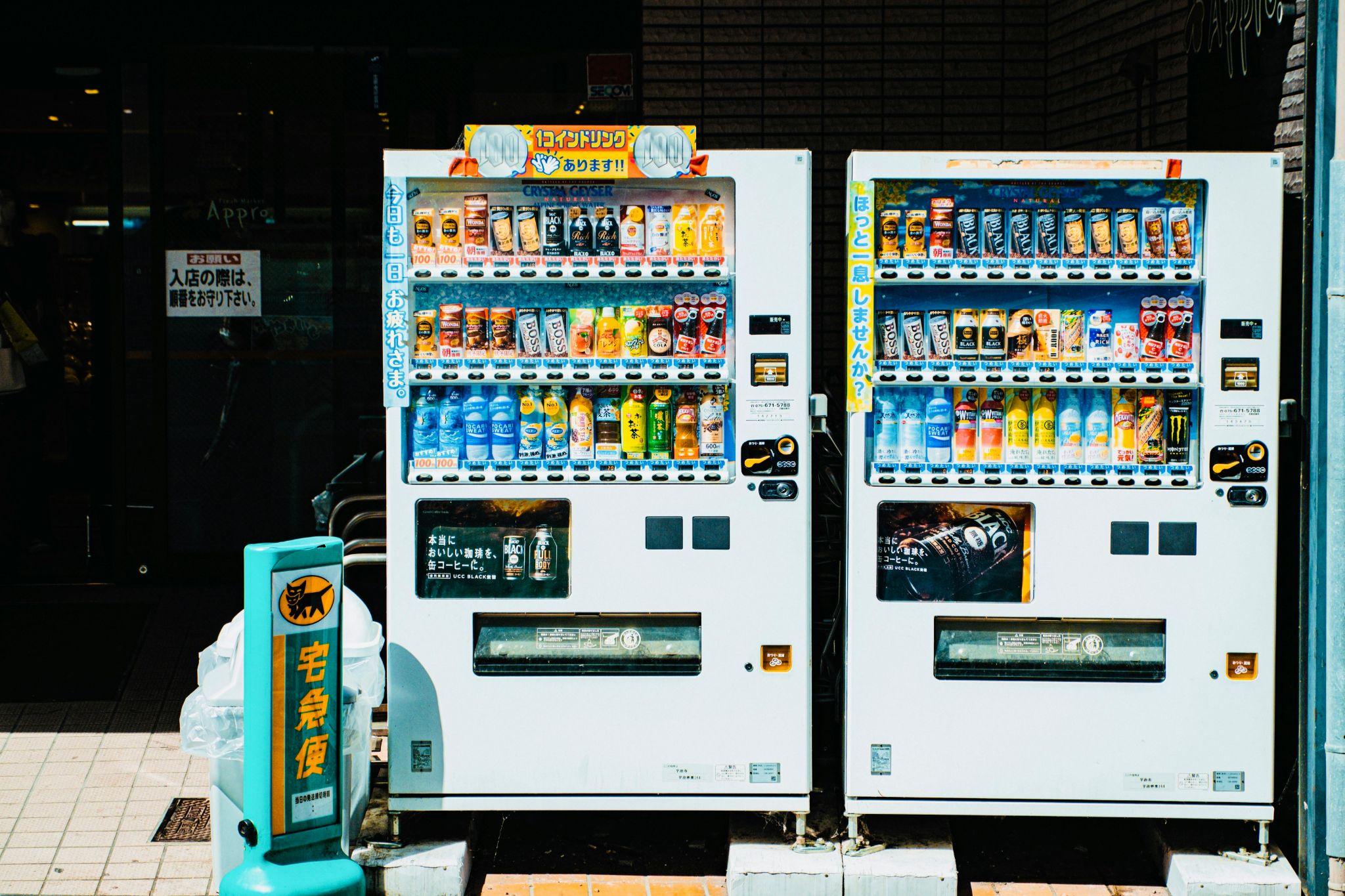
Image from Pexels
The Rise of the “Ghost Toy Store”
We are seeing a trend similar to the “Ghost Kitchen” movement in the food industry. Small scale retailers are becoming “Ghost Toy Stores.” They maintain a warehouse or a home office where they manage their inventory and then deploy that inventory through a network of automated machines.
This model allows for incredible brand flexibility. If a certain neighborhood is trending toward Anime collectibles, the owner can pivot the inventory in the machine at that specific location within minutes. A traditional store, burdened by its large inventory and fixed displays, takes weeks or months to pivot. The agility provided by a small footprint is a competitive advantage that traditional retailers simply cannot match in a fast paced market.
Consumer Behavior: The “Impulse” Economy
In 2026, consumer behavior is driven by instant gratification. The modern shopper, especially the “Gen Z” and “Gen Alpha” demographics, values a frictionless transaction. They are often more comfortable interacting with a high tech interface than a salesperson.
The NekoDrop format caters perfectly to this “Impulse Economy.” The vibrant display and the “blind box” thrill of the pull create an immediate emotional reaction. Because the transaction takes less than thirty seconds, the barrier to purchase is extremely low. In a traditional store, the customer has to navigate aisles, find the item, and wait in a checkout line. By the time they reach the register, the “impulse” has often faded. The machine captures the sale at the peak of the customer’s excitement.
Scalability Without the Risk
For the entrepreneur looking to grow, the automated model offers a path to scale that is virtually risk free. Opening a second 1,000 square foot storefront requires a massive capital injection and another long term lease. It is a “bet the farm” move every time.
Scaling a machine route is a process of incremental growth. Once one machine is profitable, you add a second. Then a third. You can scale at your own pace, using the profits from your existing units to fund the next placement. This “pay as you go” growth model is the ultimate safety net for small scale retailers who want to build a significant business without taking on massive debt.
Maintenance and Logistics
A common concern for boutique owners considering the switch is the logistics of restocking. However, because these machines are designed for high density collectibles, a single restock can often last for days or even weeks depending on the traffic.
Restocking a 10 square foot machine is a task that can be completed in fifteen minutes. Compare this to the hours spent “merchandising” a traditional store, cleaning the floors, and organizing the shelves. The owner of an automated route spends more time analyzing sales data and less time doing manual labor. This allows the entrepreneur to focus on the high level tasks that actually grow the business, such as sourcing exclusive inventory and identifying new high traffic placements.
Final Thoughts
The era of the “retail anchor” is ending. In a world where every square foot counts, the efficiency of automated retail is undeniable. By trading a 1,000 square foot liability for a fleet of 10 square foot assets, boutique owners are reclaiming their profit margins and their time.
The NekoDrop model is the future of small scale retail. it provides the branding, the high value inventory, and the customer experience of a boutique store, but without the crippling rent costs. Whether you are a retail innovator looking to disrupt the market or a boutique owner looking to downsize for survival, the math is clear: the footprint of the future is smaller, smarter, and far more profitable. It is time to stop paying for “dead space” and start investing in the high performance vertical retail that defines the year 2026.