We often celebrate the grand pronouncements of change, the legislative victories, and the public figures who spearhead movements for a better world. We applaud the scientists who develop life-saving vaccines and the artists who capture inspiring beauty. But beneath the surface of these visible achievements lies a vibrant, crucial, and often unrecognized workforce: individuals dedicated to the quiet, consistent work of social progress and emotional healing.
These are the architects of empathy, the weavers of connection, the silent champions who build the foundations upon which societal growth and individual well-being are constructed. It is these hidden figures who are, in part, behind the social progress and emotional healing of greater society.
Community Organizers and Advocates
Social progress doesn’t happen in a vacuum. It is nurtured and sustained by the tireless efforts of community organizers and advocates. These are the individuals who knock on doors, organize meetings, and mobilize people around shared concerns. They are the ones who translate abstract ideals into tangible action, identifying needs, building coalitions, and giving voice to the marginalized.
Think of the local activists who tirelessly lobby for better public transport, ensuring greater accessibility for seniors and those with disabilities. Or the grassroots organizer who champions fair housing practices, creating safer and more equitable communities. Their work is often unsung, a constant hum of dedication that builds momentum from the ground up. They are the bridge builders, connecting individuals to collective power and fostering a sense of agency that fuels meaningful change.
Therapists, Counselors, and Support Group Facilitators
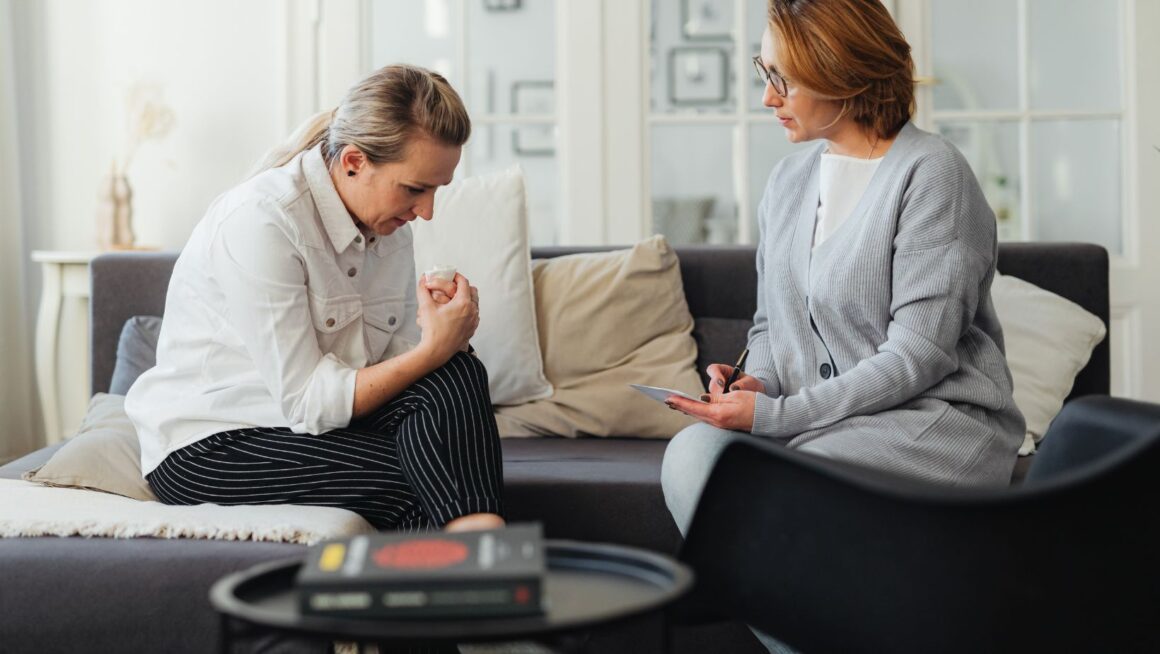
Alongside tangible social advancements, the emotional well-being of individuals is paramount. This is where the vital work of mental health professionals, and licensed clinical social workers, and other support networks comes into play. Therapists and counselors, often working within tight budgets and facing societal stigma, provide a safe haven for individuals to process trauma, navigate grief, and develop coping mechanisms. They are the quiet observers, offering skilled guidance and unwavering support as people embark on the arduous journey of emotional healing.
Beyond individual therapy, support groups – facilitated by dedicated volunteers or trained professionals – offer a powerful sense of shared experience and belonging. In these spaces, individuals facing similar challenges, whether it be addiction, chronic illness, or loss, find solace and strength in each other’s understanding. They are the navigators of the human heart, guiding individuals through their darkest moments towards resilience and hope.
Teachers, Mentors, and Volunteers

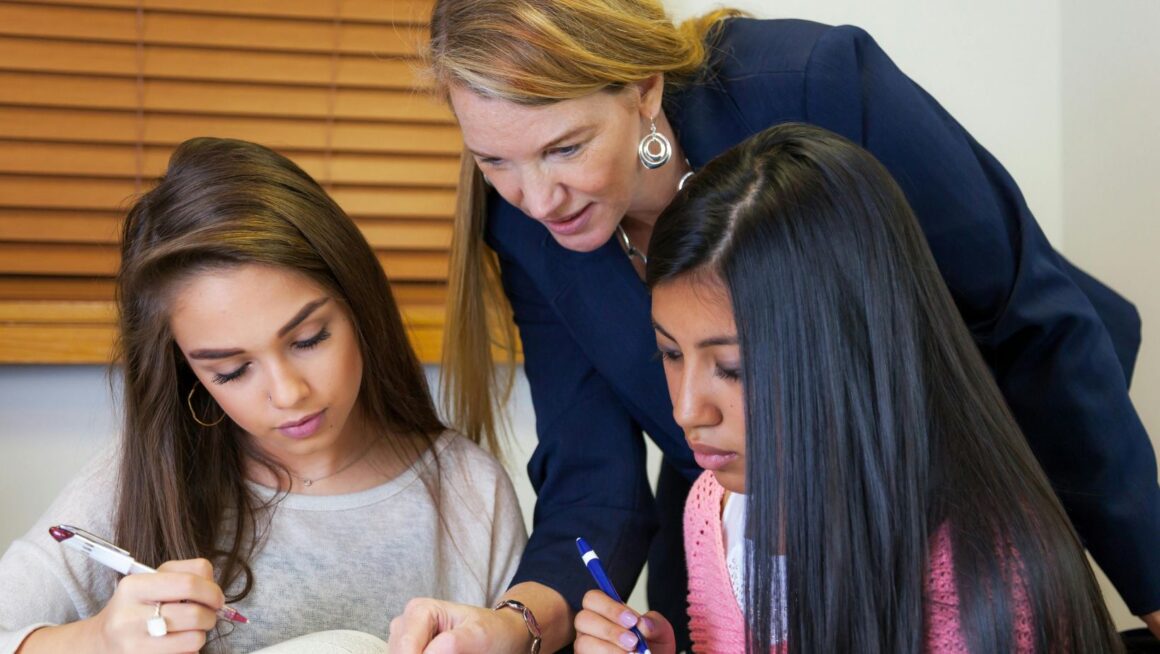
Educators, in their many forms, play a pivotal role in this cultivation. Teachers in schools are not just imparting academic knowledge, they are fostering critical thinking, teaching empathy, and modeling respectful interaction. They create environments where diverse perspectives are valued and where students learn to understand and care for one another.
Beyond the traditional classroom, positions like tutors, speech language pathologists, and mentors offer personalized guidance and support, helping individuals discover their potential and navigate life’s complexities. Volunteers dedicating their time and energy to causes they believe in. Whether it’s a tutor helping a struggling student, a mentor guiding a young entrepreneur, or a volunteer serving meals at a soup kitchen, these individuals are actively building a more compassionate and functional society.
Why Their Work Matters
The contributions of this hidden workforce are not always quantifiable in headlines or statistics. Their impact is felt in the subtle shifts of community dynamics, in the quiet resilience of individuals, and in the gradual erosion of prejudice and inequality.
Without their dedication, social progress would falter, and the emotional toll of societal challenges would be far greater. They are the unseen threads that weave our communities together, ensuring that progress is not just about policy, but about people; that healing is not just a clinical process, but a deeply human endeavor.