
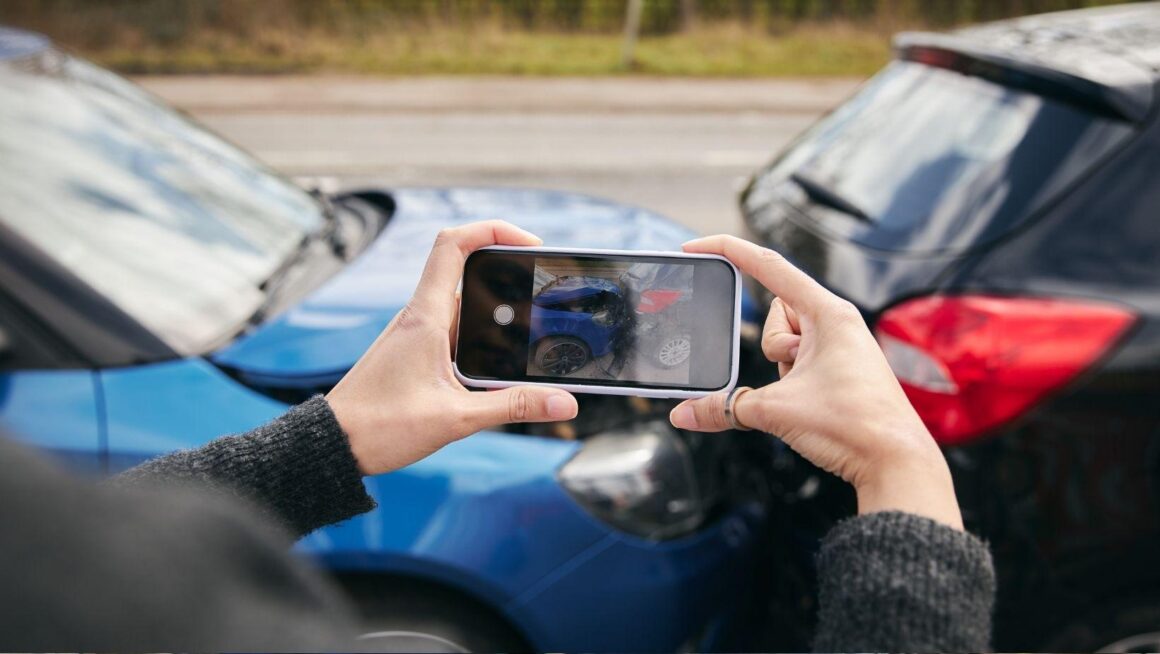
After a car accident, most people expect investigators to review photographs, vehicle damage, witness statements, and police reports. What often surprises them is that digital information may also become relevant. Depending on the circumstances, cell phone records can sometimes become part of an effort to better understand what happened before the collision occurred.
As mobile devices have become part of everyday life, questions about phone use while driving have become more common during accident investigations. If distracted driving is suspected, investigators may seek additional information to determine whether a driver’s phone activity played any role in the crash. Every situation, however, depends on its own unique facts.
Knowing how cell phone records after an accident may be used provides valuable context for understanding the claims process. While they can be important evidence, phone records are generally evaluated alongside witness statements, physical evidence, and other investigative findings.
Table of Contents
ToggleWhy Phone Records May Be Requested
One of the primary reasons phone records may become relevant is when distracted driving is suspected. Investigators sometimes look for evidence that helps determine whether a driver was making calls, sending messages, or otherwise using a mobile device around the time of a collision.
Phone records are not automatically requested after every accident. Their relevance generally depends on the circumstances surrounding the crash and whether available evidence suggests that mobile phone use may have contributed to what happened.
Because every investigation is different, decisions about requesting phone records are made based on the facts of each particular case. They represent only one possible source of information among many others.
What Cell Phone Records Can Show
Cell phone records may provide information about incoming and outgoing calls, text message activity, and the timing of communications. Time stamps can sometimes help investigators compare phone activity with the sequence of events surrounding an accident.
These records generally show that communication occurred, but they do not necessarily reveal the content of conversations or text messages. The type of information available depends on the records obtained and the applicable legal procedures governing access.
Interpreting phone records also requires context. A time stamp alone does not automatically establish exactly how or why a phone was being used during a particular moment.
Privacy and Legal Considerations
Cell phone records involve important privacy interests, which is why legal procedures often govern how they may be requested and reviewed. Access to these records generally depends on applicable laws and the specific circumstances surrounding the investigation.
Because privacy rights vary by jurisdiction, requests for phone records are typically evaluated through established legal processes rather than informal requests alone. The requirements differ depending on the nature of the case and the information being sought.
Understanding these privacy protections helps explain why obtaining phone records is often more involved than simply asking a cellular provider for information. Legal safeguards exist to balance investigative needs with individual privacy rights.
Phone Records Are Only One Piece of the Investigation
Although phone records may provide useful information, they are rarely evaluated in isolation. Investigators typically compare them with photographs, witness statements, police reports, vehicle damage, surveillance footage, and other available evidence before reaching conclusions.
Looking at multiple sources of information helps create a more complete understanding of the events leading up to a collision. One piece of evidence may support or clarify another rather than providing all of the answers by itself.
Careful investigation depends on considering the entire picture. Phone records become most valuable when viewed alongside the other facts surrounding the accident.
Conclusion
Cell phone records sometimes play an important role in accident investigations, particularly when questions arise about possible distracted driving. They can provide useful timing information that may help investigators better understand the sequence of events surrounding a collision.
At the same time, these records represent only one part of a much broader investigation. Photographs, witness accounts, physical evidence, and official reports all contribute to building an accurate picture of what occurred.
Understanding how phone records may be used helps drivers better appreciate the investigative process. Careful evaluation of all available evidence remains essential when determining how an accident happened and what factors may have contributed.