
The speaking alpaca tutor fingfresko dongle lets users add real-time voice to local models. It links an Alpaca-based model to a Fingfresko dongle. The dongle handles secure keys, low-latency audio, and hardware acceleration. The guide shows required parts, installation steps, and quick fixes. It keeps instructions simple so readers can set up a voice tutor fast.
Table of Contents
ToggleKey Takeaways
- The speaking alpaca tutor Fingfresko dongle combination enables real-time voice interaction with local Alpaca-based models without using cloud services.
- Selecting a Fingfresko dongle with at least 8GB VRAM passthrough and compatible USB-C drivers ensures efficient model acceleration and low latency.
- Step-by-step installation involves setting up the Alpaca tutor software, installing drivers, flashing dongle firmware, and configuring TTS and ASR engines.
- Optimizing microphone settings, sample rates, and enabling hardware acceleration via the Fingfresko dongle significantly improves real-time speech performance and reduces latency.
- Troubleshooting common issues includes verifying dongle connectivity, updating firmware/drivers, checking audio device settings, and monitoring logs for errors.
- Regular firmware and driver updates are critical to maintaining compatibility and reliable performance of the speaking alpaca tutor system.
What The Speaking Alpaca Tutor And Fingfresko Dongle Do Together
The speaking alpaca tutor Fingfresko dongle combination creates a local voice tutor. The speaking alpaca tutor processes prompts and generates text. The Fingfresko dongle stores model keys and accelerates inference. Together they let users run voice input, generate responses, and output speech without cloud services. The speaking alpaca tutor sends text to a TTS engine. The Fingfresko dongle routes audio streams and secures model access. This setup keeps data on-device and reduces latency. The speaking alpaca tutor supports lesson flows, question prompts, and simple feedback. The Fingfresko dongle reduces the CPU load on the host and improves real-time response. They work well for language practice, classroom demos, and personal tutors. The speaking alpaca tutor remains flexible for different model sizes. The Fingfresko dongle works with USB-C and standard drivers on modern systems.
Required Hardware And Software: Choosing The Right Fingfresko Dongle And Accessories
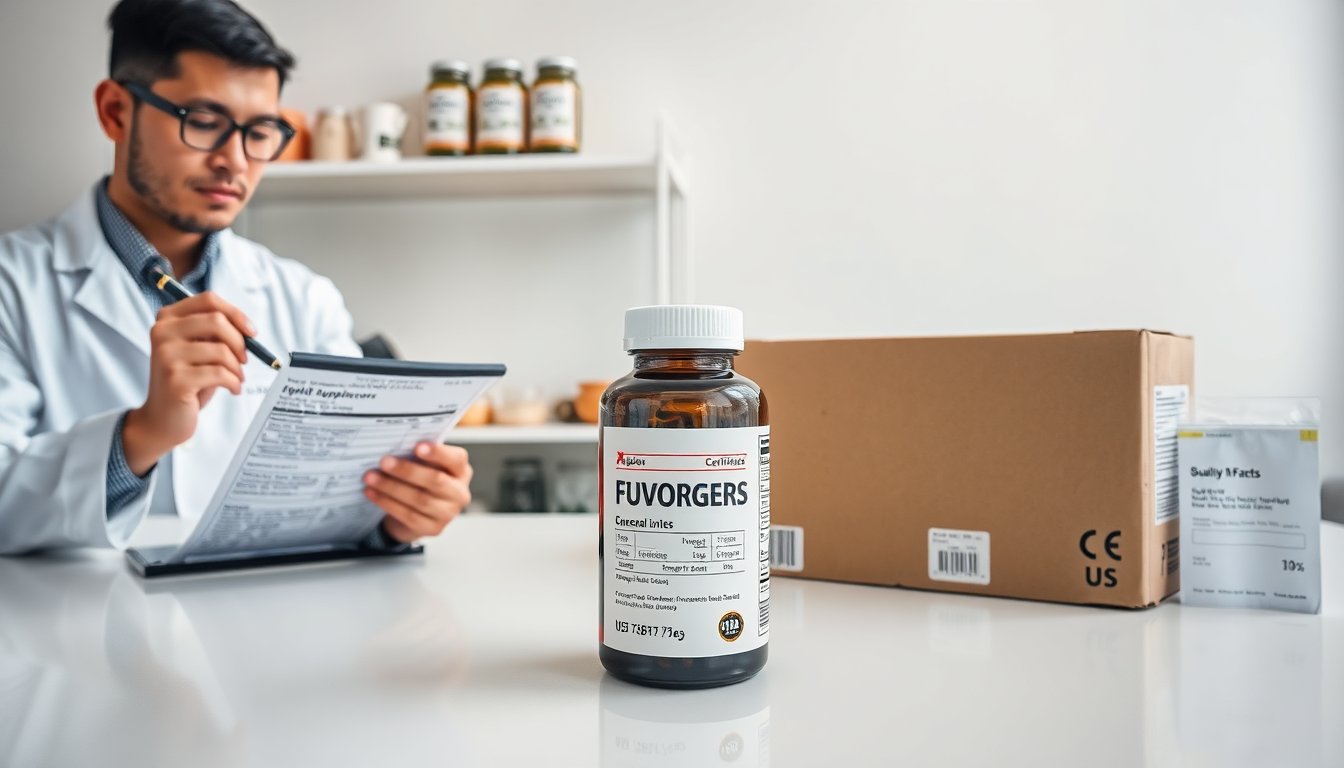
They recommend a modern Fingfresko dongle that matches model needs. They pick a dongle with at least 8GB VRAM passthrough for mid-sized models. They choose USB-C output and verified driver support for Windows, macOS, or Linux. They add a quality USB microphone and a low-latency headset. They suggest a host PC with a recent multi-core CPU and 16GB RAM. They advise 32GB RAM for larger models. They install the Alpaca tutor software from the official repo or vendor site. They require a compatible TTS/ASR stack such as OpenTTS or Vosk. They install Python 3.10+ and a virtual environment. They recommend the Fingfresko firmware matching the dongle serial number. They verify that the dongle firmware supports model decryption and streaming. They test that the microphone and headset show up in the OS audio settings. They confirm that the host has available USB ports with direct power. They suggest a powered USB hub for multiple devices.
Step-By-Step Setup: Installing The Alpaca Tutor, Drivers, And Dongle Firmware
They download the Alpaca tutor package and verify the checksum. They extract the package into a clean project folder. They create a Python virtual environment and activate it. They run pip install -r requirements.txt. They install the Fingfresko driver from the vendor installer or the package manager. They reboot the system after driver install. They plug the Fingfresko dongle into a direct USB port. They open the Fingfresko updater tool and load the matching firmware file. They click update and wait until the tool reports success. They start the Alpaca tutor service with the provided CLI. They point the tutor config to the local model path and to the Fingfresko device ID. They set the TTS backend endpoint in the tutor config. They run a quick smoke test by sending a text prompt through the tutor. They confirm the tutor logs show dongle authentication and model loading. They trigger a TTS call and confirm audio output through the headset. They iterate on model size if they see slow inference. They update the virtual memory or increase swap on low-RAM systems. They restart services if the tutor fails to bind to the audio device.
Configuring Real-Time Speech: Microphone, TTS/ASR Settings, And Latency Optimizations
They set the microphone input level in the OS and in the tutor config. They choose a sample rate of 16 kHz for ASR and 22.05 kHz or 24 kHz for TTS depending on the voice model. They enable voice activity detection to reduce empty requests. They set the TTS chunk size to balance quality and latency. They adjust the ASR buffer size to lower latency while avoiding dropouts. They enable hardware acceleration via the Fingfresko dongle where the driver exposes a CUDA or NPU path. They reduce model context size if they need faster responses. They use streaming TTS to begin audio playback while the model finishes synthesis. They measure round-trip latency with a simple ping test between the tutor and the TTS service. They aim for under 400 ms for interactive lessons. They enable jitter buffers in the audio pipeline to smooth network-related spikes. They log latency stats to a file for later tuning.
Common Problems And Troubleshooting Checklist For Reliable Audio Tutors
They check basic connectivity first. They confirm the Fingfresko dongle appears in device manager or lsusb. They confirm the driver version matches the firmware. They reboot after firmware updates. They test the microphone in another app to rule out OS issues. They check that the Alpaca tutor logs show a successful dongle handshake. They inspect log errors for permission denials or missing keys. They verify the model path and model file integrity. They increase the swap file if the host runs out of memory during model load. They reduce batch size or disable GPU fallback if GPU errors appear. They update the TTS backend if audio sounds clipped or distorted. They lower the sample rate if network bandwidth limits cause dropouts. They clean temporary audio caches when playback stutters. They replace USB cables and try another port for intermittent disconnects. They run the tutor with verbose logging to capture detailed errors. They reach out to the Fingfresko community or vendor support when they see unknown dongle errors. They keep firmware and drivers current to avoid compatibility gaps.