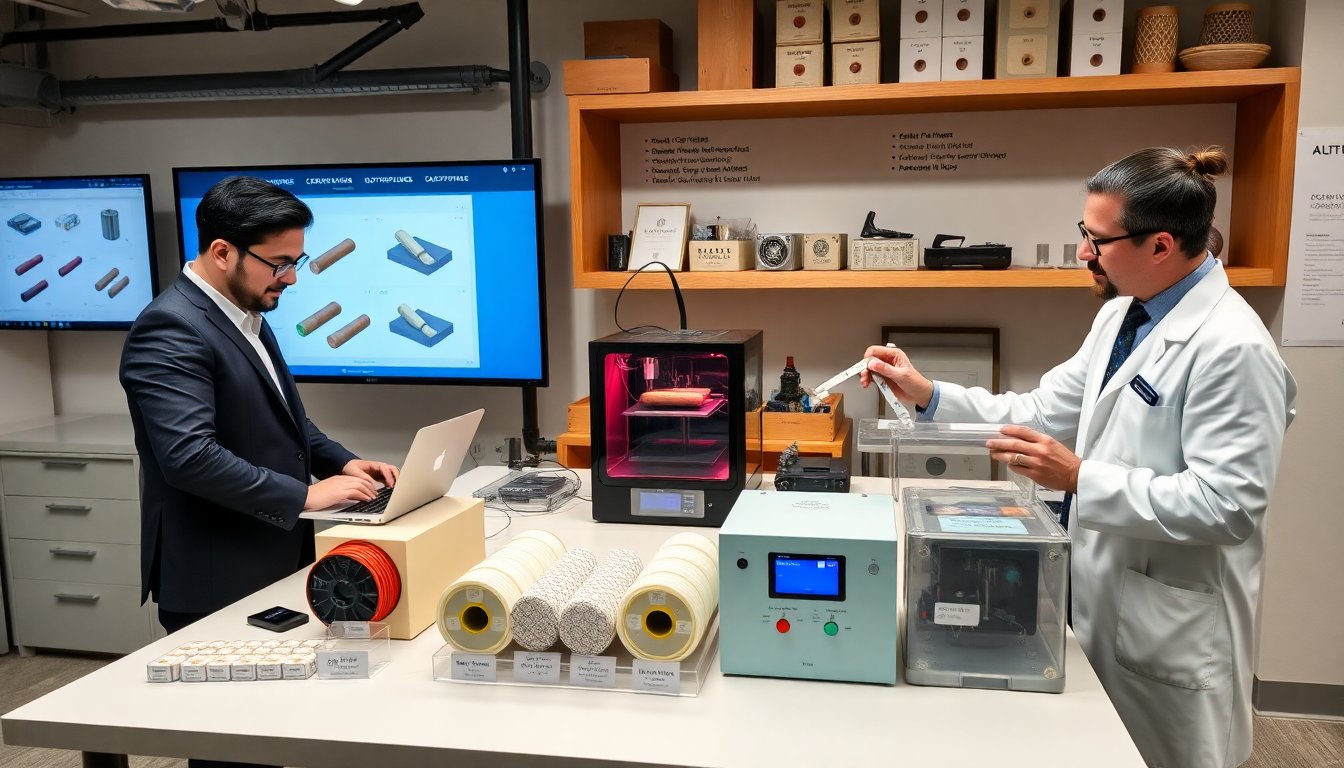
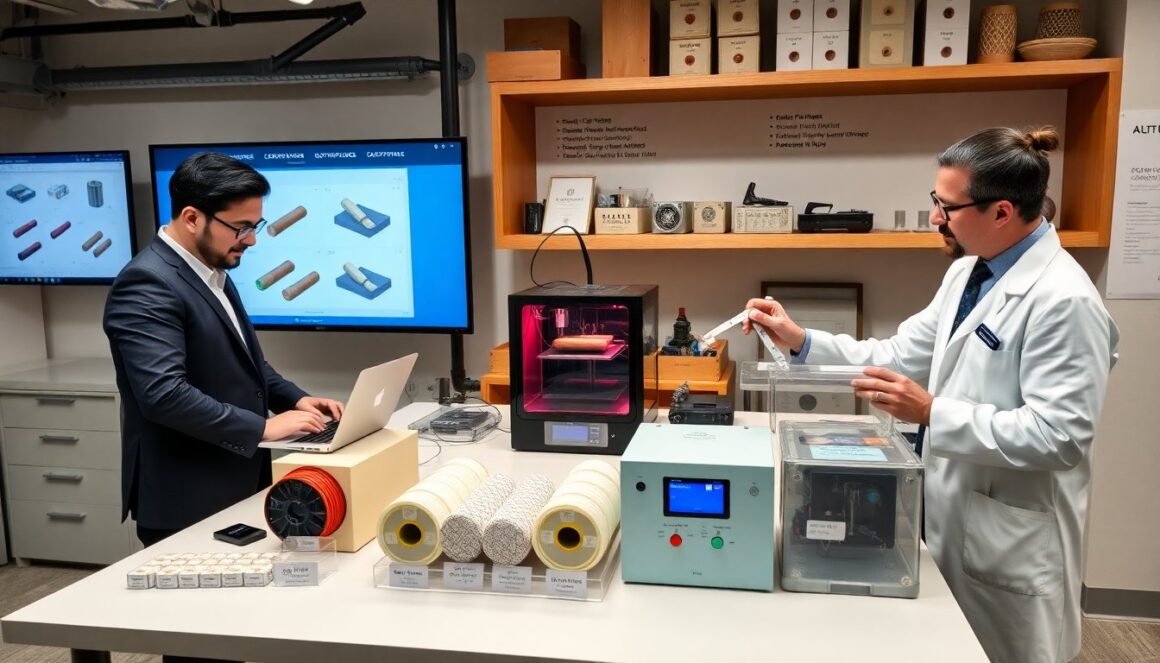
Fighting ForFutures cigars crafting 3D printing system shows a new way to make cigars. The team tests shape, airflow, and material. They build CAD files, print parts, and verify smoke performance. The guide explains design choices, compatible filaments, hardware needs, and quality checks. It aims to help readers evaluate the system and consider local production that supports community programs.
Table of Contents
ToggleKey Takeaways
- The Fighting ForFutures 3D printing system revolutionizes cigar crafting by enabling rapid design iterations and prototype testing for improved smoke quality.
- Using tobacco-compatible filaments and carefully tested materials ensures safe cigar production without harmful emissions during use.
- The integrated system combines precise hardware calibration, CAD-based design, and controlled workflows to maintain consistent quality and performance.
- Local production through this 3D printing approach supports community employment, reduces shipping needs, and allows for transparent traceability of cigar components.
- Open sharing of CAD templates and standardized procedures encourages wider adoption and scalability while maintaining high standards in cigar manufacturing.
Why 3D Printing Matters For Cigars And Fighting For Futures
Fighting ForFutures cigars crafting 3D printing system matters because it shortens design cycles. The group models new mouthpieces and adapters in CAD and prints prototypes the same day. They test draw and temperature quickly. The process cuts waste and reduces tooling cost. It lets them iterate to improve flavor path and air resistance. The team trains local makers to print parts, which creates jobs and keeps production local. Regulators can trace printed components, and the method reduces shipping by producing near demand.
System Design: From Concept To CAD
Design starts with a sketch, and engineers move to CAD. They translate cigar geometry into printable modules. They define wall thickness, internal channels, and seam joins. They run flow simulations to predict draw and burn influence. They export files as STL and prepare print settings. The designers label revisions and keep test logs. They publish CAD templates for community workshops so others can reproduce parts. This step ensures each printed part meets the intended smoke path and user fit.
Key Design Parameters: Shape, Airflow, And Internal Structure
Shape affects mouthfeel and heat. The team fixes outer diameters to match standard cigars. They shape internal channels to guide air and control resistance. They set channel diameter, taper, and taper length to tune draw. They add support structures that remove cleanly after print. They design mating surfaces to align wrappers and tips without glue. They measure pressure drop across prototypes and adjust dimensions until readings match target values. They log results for each design iteration.
Materials And Inks: Tobacco-Compatible Filaments And Binders
The team picks filaments that do not off-gas harmful compounds when heated. They test food-safe PLA blends and ceramic-filled polymers for heat resistance. They evaluate binders that hold tobacco in printed molds without altering flavor. They run GC-MS tests on emissions to confirm safety. They use neutral-color filaments that do not affect taste. They document supplier batches and batch test each filament lot. They avoid additives that release toxic fumes at cigar temperatures.
Building The 3D Printer System: Hardware, Software, And Workflow
The system combines an FDM printer, a controlled heating chamber, and a post-processing station. They integrate slicer profiles that match material and nozzle size. They script print farms to queue jobs and manage bed leveling. They set standard operating procedures for print speed, layer height, and cooling. They use versioned firmware to ensure repeatable motion. They train operators to follow checklists for preflight checks, print start, and part handling. They track print time, yield, and scrap rates for continuous improvement.
Essential Hardware Components And Calibration Steps
Essential hardware includes a hardened nozzle, a heated bed, and an enclosure with filtered air. They add a filament dryer and a camera for remote monitoring. They calibrate nozzle offset, extrusion multiplier, and bed flatness before each run. They print calibration towers to confirm dimensional accuracy and porosity. They measure printed channel diameters with calipers and adjust slicer flow if needed. They log ambient humidity and adjust drying time for each filament spool. They perform end-of-day maintenance to keep print quality consistent.
Quality Control, Testing, And Scaling With Community Impact
The group defines acceptance criteria that cover dimensions, airflow, and emissions. They use bench tests to measure pressure drop and temperature along the cigar assembly. They run blind taste panels to record flavor impact. They maintain traceable records that link printed part IDs to material lots and print settings. They pilot small production runs at community shops and train local staff. They scale by adding modular print cells and by sharing validated CAD files with partners. They report job hours and revenue retained locally to measure community benefit.