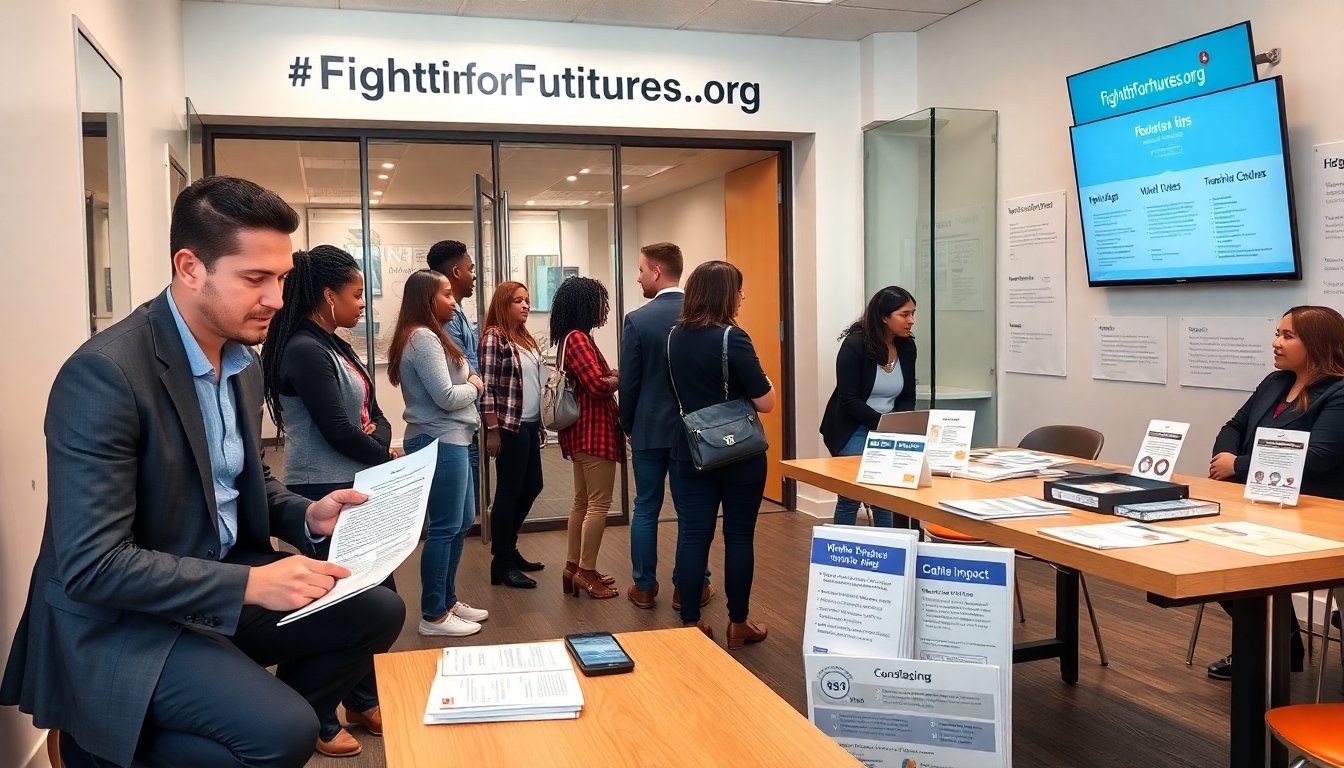

fightingforfutures advanced education degrees upskill appears as a clear option for professionals who want tangible career progress in 2026. The program helps learners gain credentials, applied skills, and employer connections. This article explains why the degrees matter, how the FightingForFutures model works, which degrees deliver fast growth, and how to pick the best path for return on investment.
Table of Contents
ToggleKey Takeaways
- FightingForFutures advanced education degrees upskill professionals by providing applied skills, certifications, and employer connections tailored to 2026 job market demands.
- Advanced degrees matter for upskilling as they validate problem-solving and leadership abilities, helping workers access higher-paying roles and reduce career risk.
- The FightingForFutures program offers cohort-based learning, career coaching, and employer partnerships that shorten time-to-role and improve readiness for senior positions.
- Funding and scholarships through FightingForFutures lower financial barriers, with employer commitments enhancing job placement and paid project opportunities.
- High-demand degrees in STEM, AI, cybersecurity, and leadership fields offer rapid career growth when combined with practical projects and industry collaborations.
- Candidates should choose advanced degrees based on clear career goals, program length, employer ties, and ROI analysis to maximize upskilling benefits with FightingForFutures.
Why Advanced Degrees Matter For Upskilling In 2026
Employers in 2026 seek candidates with validated skills and focused credentials. Advanced degrees certify applied knowledge. They signal problem-solving, project leadership, and technical depth. Workers with advanced degrees often access higher-pay roles and more rapid promotion. The labor market favors candidates who pair degrees with hands-on experience. Lifelong learners who upskill with advanced degrees reduce career risk. Many industries now list graduate credentials as a baseline for senior roles. FightingForFutures advanced education degrees upskill candidates to meet those baseline requirements and stand out in hiring pools.
FightingForFutures: Program Model, Outcomes, And Core Benefits
FightingForFutures structures cohorts around employer needs and measurable outcomes. The program offers guided degree tracks, project-based learning, and career coaching. It maps curricula to employer skill gaps and modern tools. Outcomes include certification, portfolio projects, and direct employer introductions. Core benefits include faster job placement, clearer career pathways, and applied learning. The model shortens time-to-role and improves readiness for senior work. FightingForFutures advanced education degrees upskill professionals with focused study and employer-aligned experience. The approach reduces uncertainty for both learners and hiring managers.
Funding, Scholarships, And Employer Partnerships Through FightingForFutures
FightingForFutures secures scholarships and employer contributions for many students. The program negotiates tuition support and stipend models with partners. Companies commit to interview pipelines and apprenticeship slots. Students can access need-based aid and merit awards. Funding options lower upfront costs and improve ROI. Employer partnerships often lead to paid projects and hiring incentives. FightingForFutures advanced education degrees upskill learners while limiting financial risk. The funding model prioritizes access and direct links to employment.
Top Advanced Degrees To Consider For Rapid Career Growth
Choosing a degree depends on current role, goals, and market demand. Degrees that combine theory and applied projects tend to deliver faster results. Candidates should favor programs with industry partners and clear capstone work. The following sub-sections list degrees with strong near-term career impact. FightingForFutures advanced education degrees upskill learners into these high-impact pathways.
High-Demand STEM And Tech Degrees (Data, AI, Cybersecurity)
Data science, AI engineering, and cybersecurity deliver rapid job growth and high salaries. Programs that require real datasets, model deployment, and security labs teach practical skills. Employers value graduates who show production-ready work and tool fluency. Short, focused master’s or postgraduate certificates can match employer needs faster than long, research-heavy degrees. Learners who pair these degrees with portfolio projects increase interview success. FightingForFutures advanced education degrees upskill candidates into roles such as data engineer, ML engineer, and security analyst.
Leadership, Management, And Professional Practice Degrees (MBA, MPA, MSW)
Degrees in leadership and practice prepare professionals for higher responsibility. MBA programs teach finance, strategy, and operations in applied formats. MPA programs emphasize public sector leadership and policy implementation. MSW programs focus on clinical practice and program leadership in social services. Employers value leaders who can manage teams and deliver measurable outcomes. Short-format executive degrees and practice-focused master’s lower time away from work. FightingForFutures advanced education degrees upskill mid-career professionals into management and leadership roles with practical training and employer links.
How To Choose The Right Degree, Timeline, And Return On Investment
Candidates should define a clear career goal before choosing a program. They should list target roles, required skills, and typical pay ranges. Next, they should compare program length, curriculum, and employer ties. Shorter programs with employer projects often raise earnings sooner. Students should calculate direct costs, lost wages, and likely salary gain to estimate ROI. They should also verify placement rates and alumni outcomes. FightingForFutures advanced education degrees upskill with data on outcomes and partner hiring. This data helps candidates pick the program that meets their timeline and return targets.