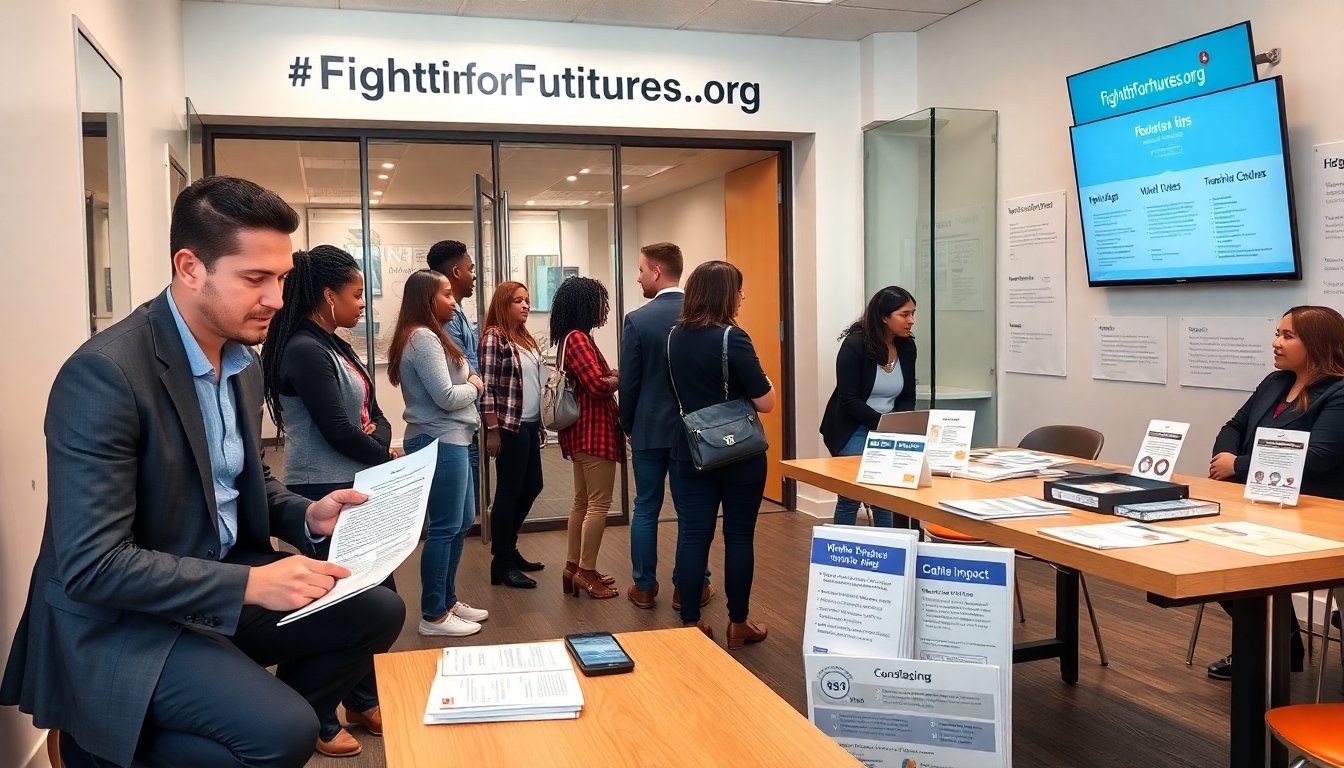

upskilling reskilling enhancing career fightingforfutures is the urgent work professionals must do in 2026. The labor market shifts fast. Employers reward demonstrable skills and clear career moves. This article explains why upskilling and reskilling matter now and how they help her, him, or them move into better roles.
Table of Contents
ToggleKey Takeaways
- Upskilling and reskilling are crucial in 2026 to stay competitive amid rapid labor market changes and technological advances.
- Conduct a skills gap analysis by comparing your current skills with those required for desired roles, then focus on top priority skills for fastest career growth.
- Employers value a blend of technical skills like AI basics and data literacy combined with strong human skills such as communication and problem-solving.
- Create a clear, actionable learning roadmap that includes targeted skill development, project portfolios, resume updates, and interview preparation.
- Choose learning pathways that offer hands-on projects, verifiable microcredentials, and mentorship to enhance credibility and practical experience.
- Demonstrating applied skills through real projects and combining technical expertise with human skills increases job offers and promotion opportunities.
Why Upskilling and Reskilling Matter Right Now
Employers face skill shortages across industries. Automation and AI change job tasks rapidly. Workers who invest in upskilling reskilling enhancing career fightingforfutures increase their value. Companies post roles that require new tech, data, and people skills. Professionals who learn new skills get more interviews, better offers, and clearer promotion paths. Economic shifts create new roles faster than traditional education can fill them. Upskilling reskilling enhancing career fightingforfutures reduces career risk. It also helps workers move from shrinking roles to growing roles. Employers also prefer candidates with verified learning and active project experience.
Assess Your Current Skills And Career Goals
A clear skills map helps a person plan. The assessment begins with a list of current tasks and tools. Next, the person lists desired roles and required skills. Then they compare both lists to identify gaps. The result becomes a short plan with specific learning targets. The plan sets timelines and measurable milestones. The person tracks progress weekly and updates goals quarterly. This method keeps effort focused and avoids random course collection. It lets the person measure return on learning and adjust priorities when job signals change.
Conducting A Skills Gap Analysis And Prioritizing Targets
Begin the gap analysis by documenting daily tasks and project outcomes. Then list the skills that drive those outcomes. Use job descriptions for target roles to extract required skills. Score each skill by importance and current proficiency. Sort skills by impact on hiring and promotion odds. Prioritize the top three skills that offer the fastest ROI. Create short learning sprints for each high-priority skill. Allocate focused practice and small projects to prove competence. Measure improvement with real work samples and short assessments.
High-Impact Skills Employers Are Actively Hiring For
Employers hire for several high-impact skills in 2026. Technical skills such as data literacy, cloud fundamentals, and AI basics appear across sectors. Software development, automation scripting, and security basics remain in demand. Employers also value data visualization and basic statistics. These skills pair well with domain knowledge in finance, marketing, or operations. Professionals who combine technical skills with clear business outcomes win more offers. Hiring managers scan for project-based evidence rather than certificates alone. That trend makes upskilling reskilling enhancing career fightingforfutures more effective when learning includes applied work.
Balancing Technical Skills With Transferable Human Skills
Human skills still matter. Communication, collaboration, and problem-solving rank high in hiring filters. Leaders want people who can explain technical answers to nontechnical teams. Emotional intelligence helps teams move faster and reduce rework. Time management and task ownership convert training into reliable outcomes. Hiring teams reward candidates with examples of teamwork and conflict resolution. Combine human skills with technical proofs to form a persuasive portfolio. That mix improves long-term career resilience and supports lateral moves across functions.
A Practical Roadmap To Upskill, Reskill, And Land New Roles
A roadmap helps a person move from learning to hireable work. First, set a clear target role and three measurable outcomes for that role. Second, choose one core technical skill and one human skill to develop per quarter. Third, pick a short course, a microproject, and a mentor for each skill. Fourth, build a small portfolio of two to three projects that mirror employer tasks. Fifth, update the resume and LinkedIn with project results, metrics, and tools used. Sixth, practice interview stories that show decisions and results. Seventh, apply to roles with tailored materials and follow up within a week.
Learning Pathways, Microcredentials, And How To Choose Them
Choose pathways that match the target role and timeline. Prioritize courses that include hands-on projects and feedback. Prefer providers that issue verifiable microcredentials and badges. Check employer mentions and alumni outcomes for each program. Use free resources to test interest before paying. Use short bootcamps or part-time programs for faster skill gains. Seek mentors inside or outside the current company to review work. Combine microcredentials with open-source or personal projects to prove competence. This approach makes upskilling reskilling enhancing career fightingforfutures concrete and credible.