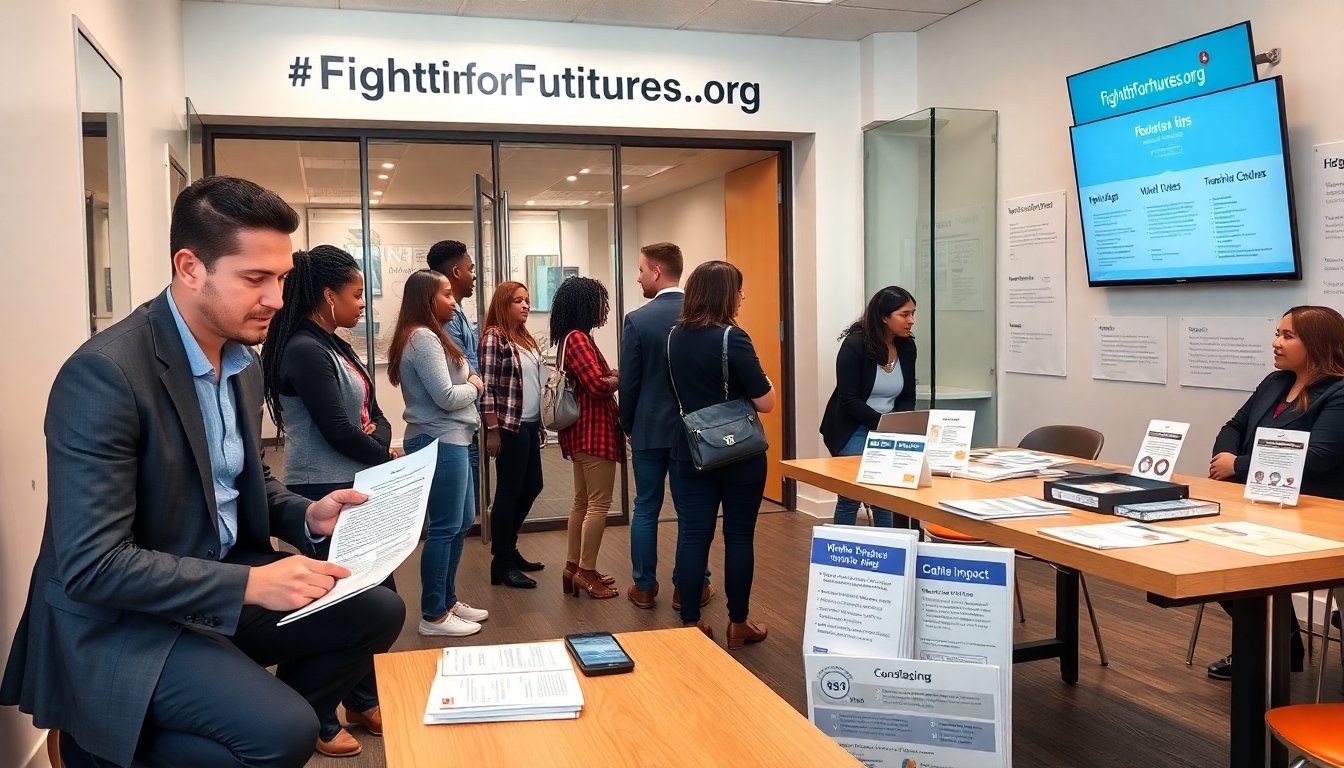

Fightingforfutures job opportunities archives list past and current roles on a single page. The archive helps job seekers and employers find role details quickly. The archive stores job descriptions, dates, location, salary bands, and contact steps. The archive improves transparency and saves time for applicants and hiring teams. This guide shows how to read, search, apply, and post in the Fighting For Futures job opportunities archives.
Table of Contents
ToggleKey Takeaways
- The Fightingforfutures job opportunities archives provide a centralized, transparent list of past and current job roles with detailed descriptions, locations, salaries, and application instructions.
- Job seekers can efficiently search and filter archived listings by keywords, location, contract type, and pay band to find relevant job opportunities quickly.
- Applicants should use the archives as a guide to understand application processes, prepare targeted CVs and cover letters, and track their job applications effectively.
- Employers benefit by posting clear, honest job descriptions with detailed requirements and contact information to ensure accurate and helpful listings in the archive.
- Users can subscribe to notifications, save searches, and follow up politely on applications to stay informed and improve their chances in the hiring process.
- The archive helps both job seekers and employers by documenting hiring trends and enabling benchmarking of roles, salaries, and skill requirements over time.
What The Archives Cover And Why They Matter
The Fighting For Futures job opportunities archives store listings from programs, hubs, and partner employers. The archive shows role title, team, location, pay range, contract type, and closing date. The archive also keeps notes on eligibility requirements and benefits. The archive matters because it gives a clear record of past hiring trends. The archive helps applicants see role evolution and plan skill updates. The archive helps employers benchmark titles, salaries, and required skills against similar posts.
What Each Archived Listing Includes: Key Fields To Check
Each entry in the Fighting For Futures job opportunities archives uses a consistent format. The format lists title, team, and brief summary first. The format then lists location, salary or band, contract type, and hours. The format includes required qualifications, preferred skills, and application steps. The format links to the original posting or contact email when possible. Applicants should check closing dates, interview steps, and required documents. Employers should confirm that the contact address and role owner remain current.
How To Search, Filter, And Navigate The Archives
Users can search the Fighting For Futures job opportunities archives by title, team, or keyword. Users can filter by location, contract type, and pay band. Users can sort listings by date posted or closing date. The interface shows snippet text to preview role fit. The interface highlights active versus expired listings. The interface offers export or save actions for later review. Users should scan required skills and dates before opening full listings to save time.
Advanced Search Tips: Combining Filters And Using Keywords
Combine filters to narrow results in the Fighting For Futures job opportunities archives. Use quotes to search exact phrases and use minus signs to remove terms. Use role synonyms like coordinator and manager to widen results. Use date filters to find recently added listings. Save common searches to receive updates. Use team or program names to track specific hiring streams. Use location plus remote to find hybrid options quickly.
How To Apply Effectively Through Archived Postings
Applicants should treat archived entries as guides to current process in the Fighting For Futures job opportunities archives. Applicants should follow the listed application steps even if the role is closed. Applicants should prepare a concise CV and a focused cover note that matches listed requirements. Applicants should highlight measurable outcomes and relevant training. Applicants should confirm contact details and follow any listed submission format. Applicants should keep a log of applications and application dates for follow up.
For Employers: Best Practices For Posting Opportunities To The Archive
Employers should use the Fighting For Futures job opportunities archives to share clear role data. Employers should include honest pay ranges and contract hours. Employers should write plain requirements and list essential skills separately from desirable skills. Employers should add a contact name and next steps for applicants. Employers should tag roles with team and program names for filtering. Employers should update or archive listings when roles fill to keep the archive accurate.
Staying Notified, Tracking Applications, And Following Up
Users can subscribe to alerts for new entries in the Fighting For Futures job opportunities archives. Users can save favorite searches and receive daily or weekly summaries. Users can track each application with status notes and dates. Users should follow up with polite emails if a listing shows no update after the published timeline. Users should prepare for interviews by reviewing past similar listings in the archive. Users should keep notification settings tight to avoid email overload.